We're here to help. Reach out for any inquiries about our products, services, or partnerships.
Choose your operating system to start
Choosing a GPS tracker involves more than checking whether it can show a vehicle’s location. Fleet managers also need to consider vehicle types, power supply, connectivity, security functions, and software compatibility. The right device depends on how the fleet operates and what information managers need.
When evaluating GPS fleet trackers, managers should assess both the device specifications and its intended application. This serves to validate that the selected equipment meets the demands of daily operations.
What Type of Tracker Suits the Fleet?
Start by identifying which vehicles or assets need monitoring. Different applications may require different installation methods and power configurations.a
Wired trackers suit vehicles with a stable power connection. They can support ignition detection, helping managers understand when a vehicle is operating. Battery-powered models offer more flexible installation for assets where permanent wiring is less practical.
For example, the C02G supports vehicle tracking and ignition detection. The EG01G is a wireless model with a rechargeable battery, Type-C charging, and magnetic installation. These options address different deployment requirements.
Before selecting a model, fleet managers should identify whether the tracker will be installed in a vehicle or on a separate asset. They should also assess whether a wired connection or battery-powered installation better suits the equipment and its working environment. This helps narrow down devices that match the fleet's installation requirements.
Location update frequency is another factor to consider, as different operations require different levels of monitoring detail. Managers should also check the installation environment to determine whether the device needs additional protection against dust, moisture, or other operating conditions. These details help promote the selected tracker is suitable for its intended application.
How Do Power Supply and Connectivity Affect Performance?
Power supply and network coverage influence how consistently a tracker reports location data. Wired devices may suit vehicles with reliable power, while rechargeable and solar-powered models provide alternatives for assets that are difficult to connect to a vehicle battery.
Connectivity is equally important. Fleet operators should check whether a device's cellular technology matches network availability in the countries where their vehicles operate. This matters particularly for fleets working across multiple regions.
The EG06G supports solar and Type-C charging. Its specifications include a 7,500 mAh rechargeable battery and an IP67 protection rating. It also supports GPS, BeiDou, GLONASS, and Galileo positioning systems.
When comparing vehicle tracking GPS solutions, review battery capacity, charging methods, network compatibility, and reporting frequency together. Actual operating time depends on device configuration and usage, so battery specifications should be assessed against the intended application.
Which Tracking and Security Functions Are Relevant?
Location reporting is a basic requirement, but some fleets also need alerts that help identify unusual events. Depending on the model, available functions may include ignition detection, geofence alerts, overspeed notifications, power-loss alerts, and tamper detection.
These functions support different management tasks. Geofence notifications help operators monitor when vehicles enter or leave designated areas. Overspeed alerts provide information for reviewing driving behavior, while power-loss notifications can highlight unexpected changes in device status.
Not every tracker offers the same functions. Managers should compare individual product specifications instead of assuming that all models have identical capabilities.
Alert handling also deserves attention. Teams need clear procedures for receiving notifications, checking the relevant information, and deciding whether further action is necessary.
Can the Tracker Work with Existing Management Systems?
A GPS device is only one part of a fleet monitoring setup. Managers should consider how its data will be accessed and integrated into existing workflows.
For companies already using fleet management software, compatibility with third-party platforms may influence purchasing decisions. Before deployment, confirm communication protocols, integration options, and software requirements with the supplier.
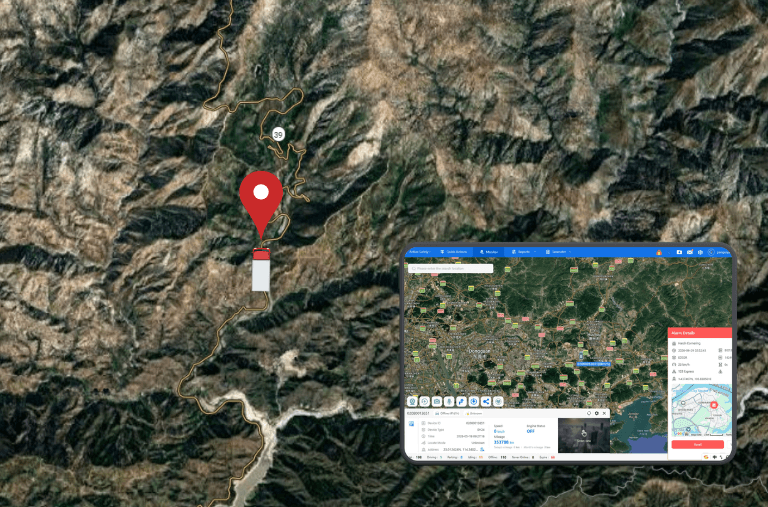
Our platform tools support different device management tasks. BSJ Configurator is used for parameter settings, while BSJ FOTA Web supports remote device management and firmware updates. The monitoring system provides access to vehicle and location information according to the connected hardware and configuration.
These tools can support device configuration and ongoing maintenance. Confirming integration requirements before purchasing also helps avoid unnecessary adjustments during deployment.
How Should Managers Compare Long-Term Costs?
The purchase price is only one part of the total cost. Installation, connectivity fees, maintenance, battery replacement, software integration, and technical support may also affect the budget.
A practical comparison should cover several areas:
| Evaluation area | What to check |
| Hardware | Device type, durability, and power configuration |
| Connectivity | Supported networks and data costs |
| Installation | Wiring, mounting, and labor requirements |
| Software | Platform compatibility and integration needs |
| Maintenance | Battery care and firmware updates |
A lower initial price may not offer better value if a device requires frequent maintenance or lacks necessary functions. Managers should compare products using the same deployment requirements and expected service conditions.
Matching Tracker Features with Fleet Requirements
Selecting a GPS tracker involves evaluating vehicle type, power supply, connectivity, security functions, and software compatibility. Reviewing these factors together helps fleet managers identify suitable devices and plan deployment.
At BSJ Technology, we provide GPS tracking products for different vehicle and asset monitoring applications. Matching product specifications with operational requirements helps fleet operators build a tracking setup that supports their management processes and future needs.

BSJ Technology (SZSE: 301608) is a global provider of AI Video Telematics and Connected Fleet IoT solutions. Since 2009, BSJ has developed AI Dashcams, MDVR systems, and GPS tracking solutions for commercial fleets worldwide.