Choose your operating system to start
Selecting a vehicle telematics hardware manufacturer requires more than comparing product catalogs or unit prices. A device must fit the target vehicle, exchange data with the intended software, and remain manageable after hundreds or thousands of units enter service.
For distributors, system integrators, and platform providers, the real decision is whether a manufacturing partner can support the complete journey from product definition to repeatable deployment.
A successful project begins with operational requirements rather than a preferred device model. A tracking application may prioritize GNSS positioning, cellular connectivity, and vehicle status inputs. A video safety solution may additionally require AI dashcams, ADAS and DMS functions, multiple camera channels, or access to recorded footage.
Translate these needs into a specification that separates essential functions from optional features. Document vehicle types, power requirements, peripheral interfaces, communication coverage, storage expectations, and installation constraints. Requirements should also identify which events the customer's platform must receive and what information operators need to retrieve afterward.
This exercise helps buyers compare products against a consistent baseline. It also exposes requirements that may demand engineering changes instead of simple configuration. Within commercial fleet telematics projects, that distinction affects development schedules, testing responsibilities, and the eventual cost of deployment.
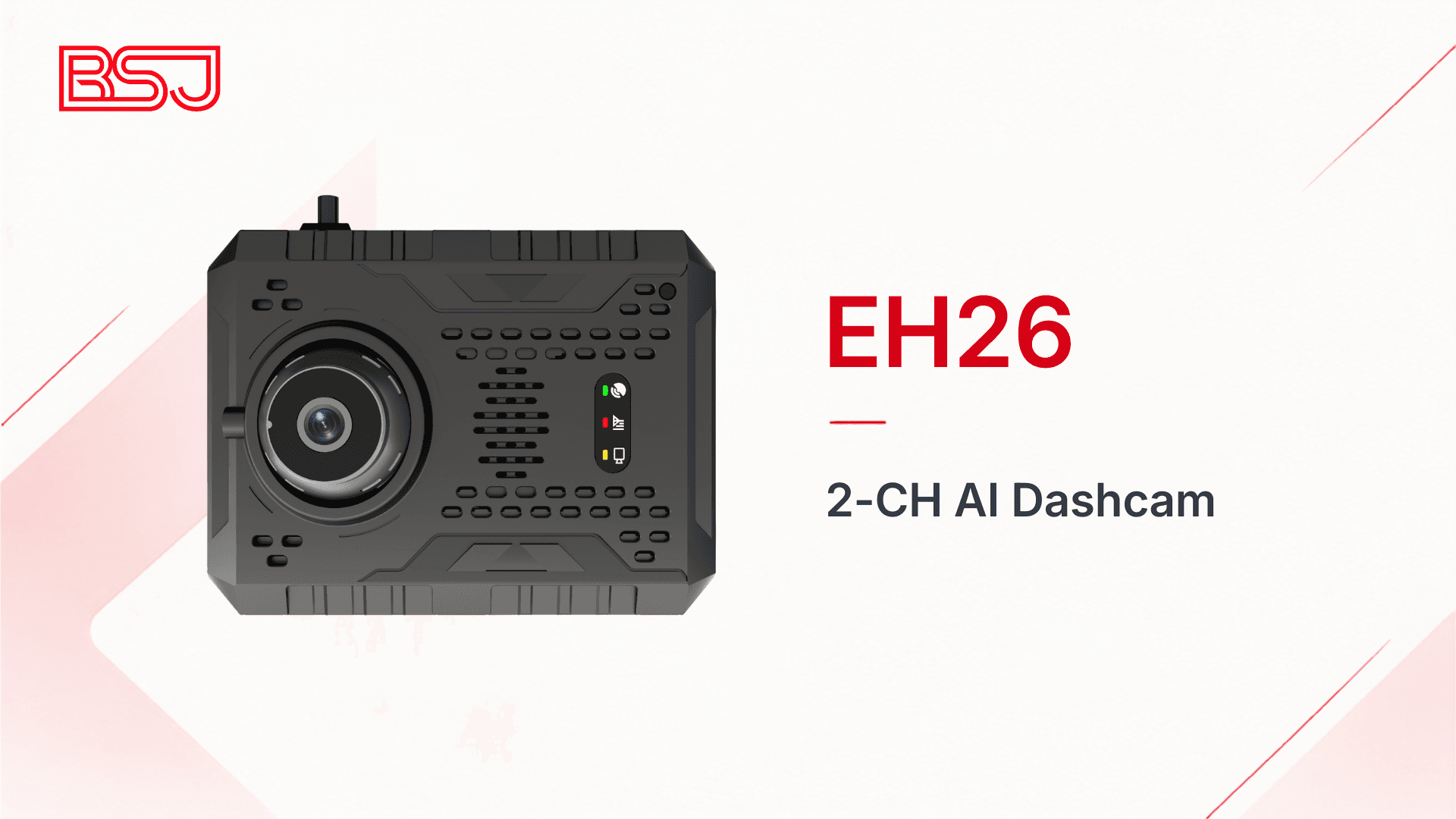
Our portfolio at BSJ Technology includes GPS trackers, AI dashcams, MDVR systems, and connected vehicle IoT hardware. As a hardware-focused manufacturer, we do not require partners to replace their existing fleet software. Product selection should follow the intended workflow, ensuring that the chosen device provides the required functions without introducing unnecessary complexity.
OEM and ODM requests can range from straightforward branding changes to substantial product engineering. A customer may need a customized enclosure, firmware behavior, communication interface, or a product adapted to a particular vehicle application. Each request carries different development and validation requirements.
Before work begins, define the boundary between standard functionality and project-specific changes. Specify deliverables, technical ownership, approval procedures, testing responsibilities, and acceptance criteria. A logo change should not be managed like a circuit-board redesign, and a firmware adjustment should not be assumed to support an interface that the hardware does not provide.
Commercial terms also deserve early attention. Buyers should establish how engineering changes are quoted, which deliverables are included, and how product revisions will be documented. Expected order quantities and the intended product lifecycle can influence whether modifying an existing platform or developing a more extensive solution is appropriate.
At BSJ Technology, our in-house R&D and manufacturing capabilities support OEM/ODM cooperation. The practical scope depends on the selected product architecture, technical feasibility, and agreed project requirements. Buyers should confirm these boundaries through a documented specification and an approved development plan.
Begin with protocol documentation and a list of required data fields, commands, alarms, and configuration functions. Verify that the receiving platform interprets timestamps, vehicle identifiers, and event types correctly. Confirm how communication interruptions, delayed messages, and device reconnections are represented rather than assuming that successful transmission guarantees accurate records.
Video applications require additional end-to-end testing. An AI event notification, for example, must be associated with the correct vehicle and relevant footage if the customer expects operators to investigate the incident. Recording retrieval, permissions, and playback workflows should be checked alongside event reporting.
For commercial fleet telematics providers, these tests should use the actual target platform and representative operating scenarios. A controlled pilot can reveal unsupported commands, data-mapping errors, or workflow gaps before volume purchasing. Hardware integration should be approved against documented results, not simply a successful connection demonstration.
Prototype approval establishes technical feasibility under specific conditions. Fleet deployment introduces variation in vehicle wiring, mounting locations, installation workmanship, network coverage, and peripheral connections. Without standardized procedures, identical devices can produce inconsistent results across different vehicles or installation teams.
Prepare installation instructions and commissioning checklists before expanding the pilot. Record device identity, firmware version, configuration, wiring checks, and platform registration. Functional tests should verify the required tracking, video, alarms, and sensor inputs for each installation, with clear criteria for acceptance or corrective work.
Configuration control becomes especially important when multiple vehicle models or customer accounts share the same hardware family. Approved parameter sets, revision records, and change permissions help technical teams identify deviations without relying on informal communication.
Remote configuration and firmware-over-the-air updates can support maintenance where the selected devices provide these functions. However, update authorization, version tracking, failure handling, and recovery procedures should be validated before remote changes affect a large installed base. A phased rollout allows the team to correct recurring problems before they spread.
An approved sample does not establish how consistently future production units will match it. Buyers should examine the manufacturer's processes for production verification, revision control, defect investigation, and communication about changes to hardware or firmware.
Ask what records accompany approved product revisions and how deviations are handled. Replacement units should remain compatible with the intended deployment configuration, while technical escalation procedures should identify who investigates faults and communicates corrective actions. These arrangements become particularly important when devices are embedded in a customer-facing service.
Market requirements also need verification. Cellular compatibility, applicable certifications, and operating conditions should be checked for the intended destination and application. Requirements validated for one market should not automatically be treated as sufficient for another.
We recommend evaluating a manufacturing partner through documented engineering deliverables, integration test results, production controls, and defined support responsibilities. For commercial fleet telematics businesses, these records provide a more reliable basis for long-term planning than broad capability statements alone.
The strongest supplier decision connects three outcomes: hardware that fits the application, integration that works within the existing software environment, and production processes that support consistent deployment. Each outcome should have its own acceptance criteria before the project moves to the next stage.
At BSJ Technology, as a vehicle telematics hardware manufacturer, we approach these requirements through vehicle telematics hardware development, in-house manufacturing, and OEM/ODM cooperation. Buyers can use a structured evaluation to determine whether our capabilities match their technical scope, deployment model, and future product plans. A clearly defined specification, a representative integration pilot, and an agreed lifecycle support plan create a firmer foundation for cooperation than price comparison alone.

BSJ Technology (SZSE: 301608) is a global provider of AI Video Telematics and Connected Fleet IoT solutions. Since 2009, BSJ has developed AI Dashcams, MDVR systems, and GPS tracking solutions for commercial fleets worldwide.