We're here to help. Reach out for any inquiries about our products, services, or partnerships.
Choose your operating system to start
Safety coaching in mining operations is most effective when it is based on clear observations rather than assumptions. Heavy vehicles operate on changing haul roads and around large equipment. Safety processes should connect driver behavior with vehicle and operational context.
Data should help supervisors identify patterns, discuss events with drivers, and agree on improvements. A structured mining fleet management approach can turn information from cameras, GPS devices, and vehicle systems into a consistent coaching process.
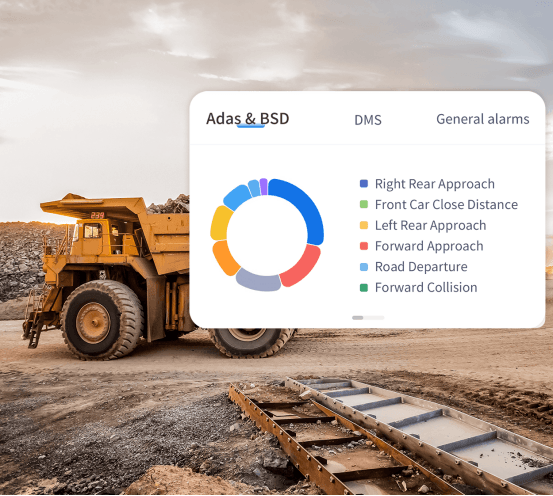
Start With Safety Behaviors That Matter on Site
Begin by identifying the behaviors that have the greatest relevance to the mine’s risk controls. Depending on the equipment and configured system, useful indicators can include speeding, harsh braking, fatigue, distraction, seatbelt use, and unexpected vehicle movement. Choose indicators linked to site rules and operating conditions.
Avoid treating every alert as proof of unsafe conduct. A sudden braking event, for example, may be linked to a hazard on the haul road, another vehicle, or a changing work zone. Supervisors should review the event and its context before deciding whether coaching is appropriate. This keeps discussions focused on learning.
The same principle applies when setting thresholds. Work with safety personnel to decide which events trigger alerts, routine reviews, or immediate action. A fleet management system used by mining teams should support these decisions with clear, relevant information rather than an unfiltered stream of notifications.
Combine Driver Events With Vehicle and Route Context
Driver data becomes more useful when it is viewed alongside vehicle information. GPS position, speed, route history, geofence status, and event timestamps can help supervisors understand where and when an incident occurred. Video can add visual context that a numerical alert cannot provide on its own.
For example, a harsh-braking alert near a loading area should be reviewed differently from one on an open haul road. Supervisors can check the available video, vehicle position, and site activity before discussing the event. This makes mining fleet management more evidence-based and reduces the risk of drawing conclusions from a single metric.
Vehicle condition can also be relevant. Depending on installed sensors and vehicle integration, information such as engine temperature, brake performance, or tire pressure may help teams understand whether an equipment issue contributed to an event. Qualified personnel should interpret these indicators using manufacturer guidance; they can inform, but not replace, an inspection.
Turn Alerts Into Constructive Coaching
A repeatable coaching process should define who reviews events, how drivers are contacted, and how outcomes are recorded. Assign responsibility to supervisors who understand the site’s traffic rules and operating conditions. Prioritize repeated patterns and meaningful safety events.
During a coaching conversation, describe the specific observation, share relevant evidence where appropriate, and invite the driver to explain the circumstances. Ask what could help prevent a similar event. Actions might include route familiarization, clearer dispatch communication, inspection, or refresher training. Record the agreed action and a follow-up date.
A fleet management system mining operation teams rely on should make it practical to retrieve event records and connect them with the relevant vehicle and time period. Records help supervisors identify recurring behavior and assess earlier coaching. Access to video and driver information should follow company privacy, retention, and access policies.
Use Trends to Improve Site-Level Controls
Individual coaching is only one part of safety improvement. Aggregated data can help safety managers identify recurring patterns across vehicles, routes, shifts, or operating zones. A concentration of harsh-braking events in one area, for instance, may indicate a road-design issue, congestion, visibility constraints, or a need to review traffic procedures.
Compare trends with operational information before selecting corrective actions. Consult dispatchers, maintenance teams, and drivers. Possible responses may include reviewing speed limits, adjusting vehicle routes, improving signage, scheduling road maintenance, or updating shift briefings. This is where mining fleet management can support both individual learning and broader risk control.
Track results after changes, while considering workload, weather, road condition, and fleet composition. The objective is to understand whether the intervention is helping, not to rank drivers using a single score.
Build a Consistent Data-to-Coaching Workflow
A practical workflow links event detection, context review, coaching, action tracking, and periodic evaluation. Define the roles of drivers, supervisors, safety teams, dispatchers, and maintenance personnel. Define how urgent alerts are escalated and routine observations enter safety meetings.
At BSJ Technology, our mining solution brings together GPS tracking, driver behavior monitoring, vehicle health information, safety alerts, and intelligent dispatching. Our fleet management system mining solution can support teams that want to connect vehicle visibility with site safety processes. The exact data available depends on the devices, sensors, and vehicle integration selected for each project.
A well-designed coaching process gives each alert a clear purpose and each follow-up an owner. By combining driver observations with route and vehicle context, mine operators can make safety discussions more specific, document actions, and identify site conditions that deserve attention. BSJ Technology works with commercial fleet requirements through connected telematics hardware and solutions.

BSJ Technology (SZSE: 301608) is a global provider of AI Video Telematics and Connected Fleet IoT solutions. Since 2009, BSJ has developed AI Dashcams, MDVR systems, and GPS tracking solutions for commercial fleets worldwide.