Choose your operating system to start
Blind spots, unpredictable road conditions, and driver fatigue pose constant risks to commercial fleet operations. When an incident occurs on the highway, managers often have to piece together fragmented reports without clear visual evidence. Traditional tracking tools show location, but they fail to explain the context behind sudden stops or collisions. Integrating video, sensor data, and artificial intelligence into a unified monitoring setup solves this visibility gap. Modern video telematics systems allow fleet operators to anticipate hazards, verify real-time road conditions, and safeguard both assets and drivers.
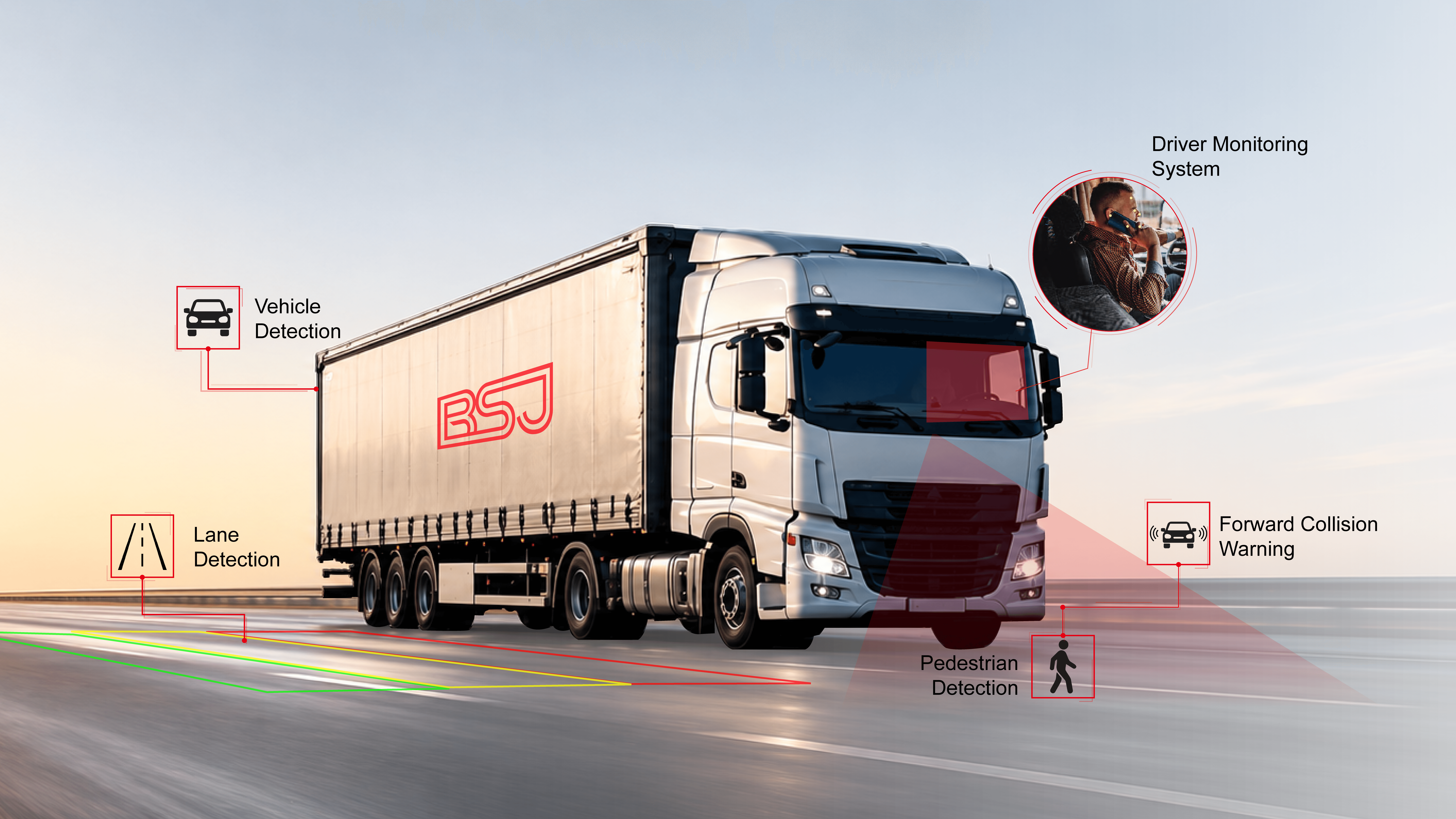
A complete video telematics system combines high-definition video capture, real-time vehicle data, and centralized management software. Together, these components give fleet managers both visual evidence and vehicle context for understanding what happens on the road.
A multi-channel Truck Camera System can record views from the front, cabin, sides, and rear of a commercial vehicle. Unlike a single front-facing camera, this configuration helps cover blind spots and provides visual evidence during collisions, loading operations, and reversing.
Vehicle data adds context to recorded video by capturing information such as speed, direction, braking, engine status, and location. Synchronizing GPS and sensor data with time-stamped footage helps fleet managers verify incidents, review driver actions, and investigate claims more efficiently.
An AI MDVR Video Telematics System can bring these data sources together at the vehicle level, while the management platform handles transmission, storage, and further analysis.
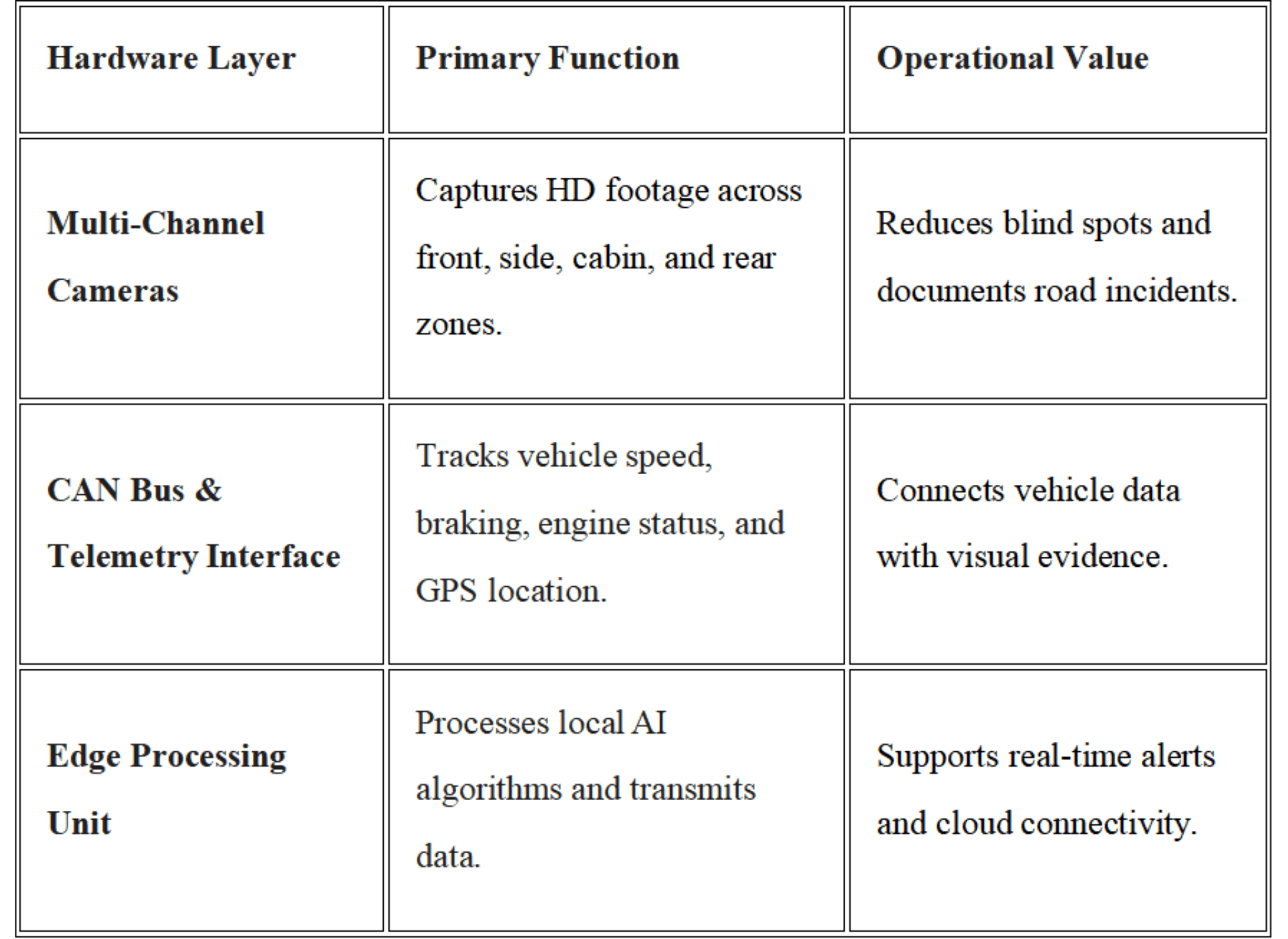
AI-powered safety functions move fleet management from reviewing incidents after they occur to identifying risks in real time. Edge processing can analyze road conditions, driver behavior, and blind spots while providing immediate warnings to drivers.
Advanced Driver Assistance Systems (ADAS) use cameras and computer vision to monitor vehicles and lane conditions ahead. When potential risks such as forward collisions or unintended lane departures are detected, the system provides timely in-cabin alerts, giving drivers an opportunity to respond.
Driver Monitoring Systems (DMS) use an in-cabin camera to identify signs of fatigue and distraction, including prolonged eye closure, yawning, mobile phone use, and smoking. Detected events can trigger driver alerts and be recorded for later review by fleet managers.
Blind Spot Detection (BSD) monitors areas alongside the vehicle that may be difficult for drivers to see directly. By detecting vehicles, pedestrians, and other vulnerable road users in these zones, the system can provide visual or acoustic warnings during lane changes and turns.
The BSJ AI MDVR acts as a central in-vehicle platform that brings multi-channel video, vehicle data, and AI safety functions together. Models such as the ED02R-V2 support HD multi-channel recording, real-time uploads, and integrated ADAS, DMS, and BSD, allowing fleet managers to connect visual events with driver and vehicle information.
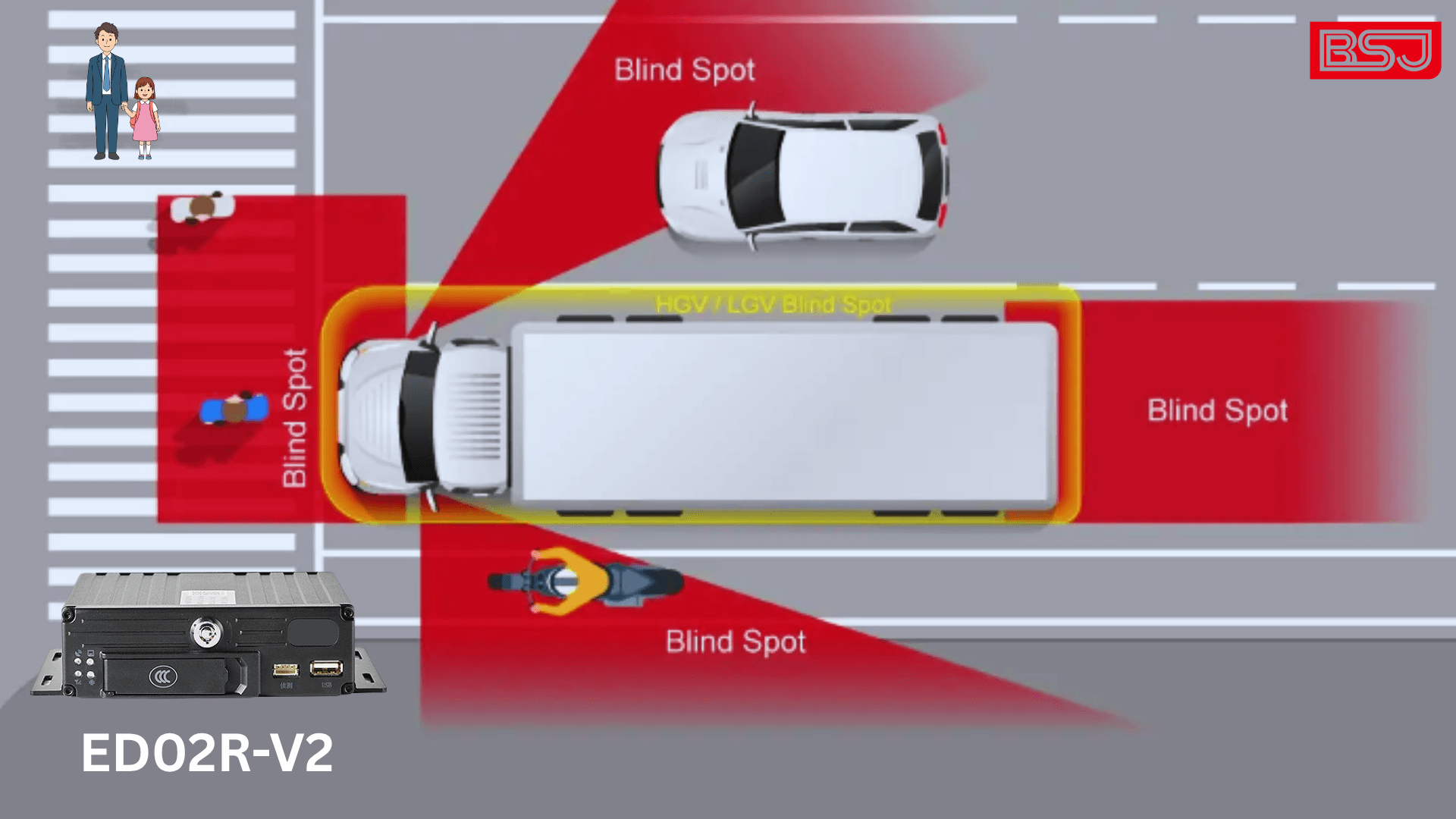
By processing safety events at the vehicle level and transmitting relevant data to the management platform, the system provides real-time visibility into road conditions, driver behavior, and potential hazards. This helps fleet operators respond to incidents more quickly while reducing the need to review large amounts of video manually.
A BSJ case involving a 1,000-truck fleet in the Middle East demonstrates how AI video telematics can support large-scale fleet safety. The fleet deployed BSJ's ED08R -V2 AI MDVR, which combined multi-channel video with BSD, ADAS, DMS, GPS data, and real-time video analysis. The system provided immediate alerts for unsafe driving and blind-spot hazards, while time-stamped video and GPS data helped managers review incidents and resolve insurance or liability disputes. According to the case study, the deployment contributed to a 30% reduction in accidents, while automated incident review and telematics data also supported more efficient fleet operations.
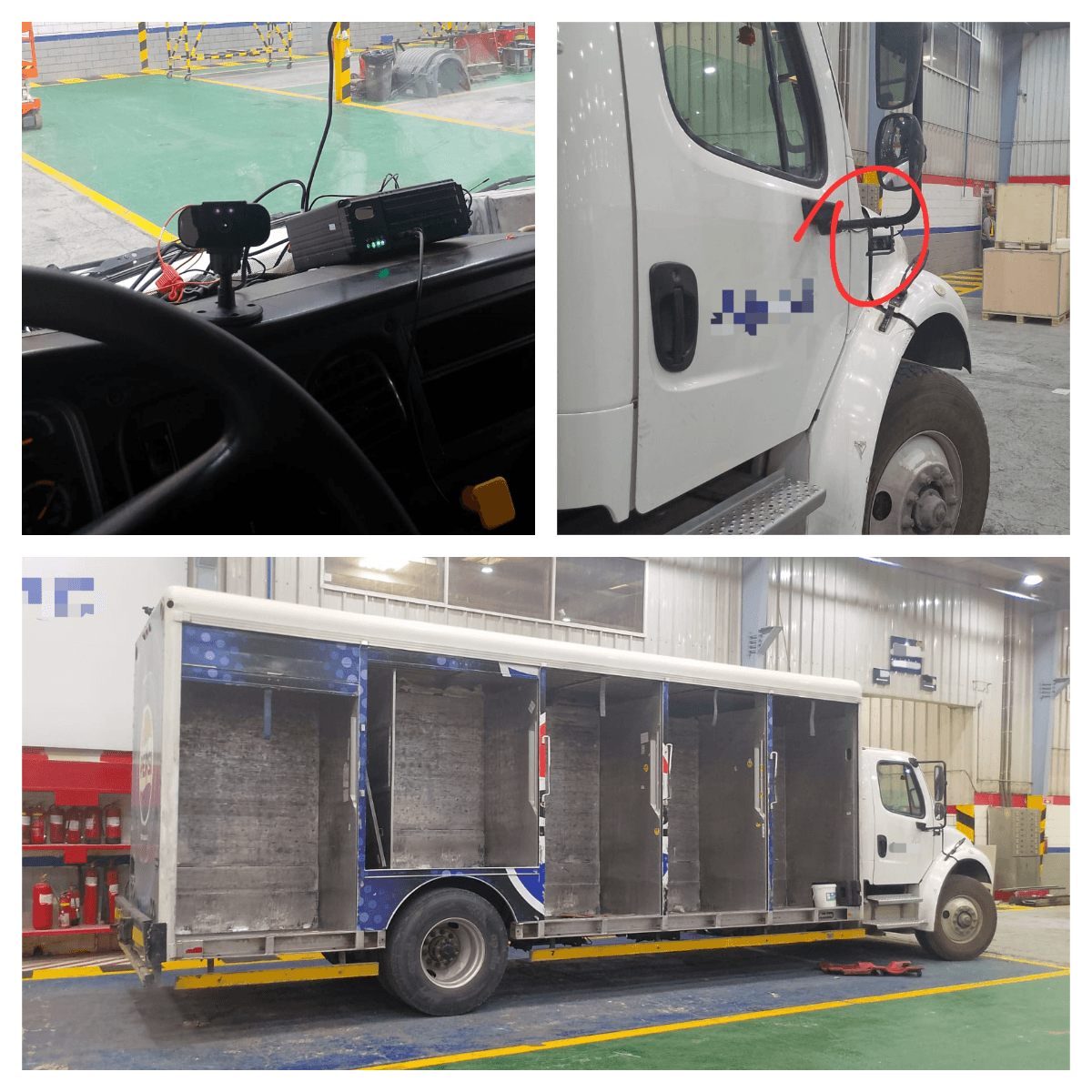
Upgrading from basic GPS tracking to an AI-powered video telematics architecture allows fleet operators to connect video, vehicle data, and intelligent safety functions in one system. Multi-channel cameras provide visual context, while vehicle telemetry adds information about speed, location, and driving events.
With AI functions such as ADAS, DMS, and BSD processed alongside video and vehicle data, fleet managers can identify risks earlier, review incidents more efficiently, and improve driver safety. A centralized platform also provides greater real-time visibility across vehicles and operations.
For fleets looking to scale, solutions such as the BSJ AI MDVR can provide a practical foundation for integrating cameras, telemetry, AI analysis, and remote fleet management. This approach helps operators build a more connected video telematics architecture that can adapt to changing safety and operational requirements. To discuss your fleet’s specific needs or explore a suitable AI video telematics solution, contact BSJ Technology for more information.

BSJ Technology (SZSE: 301608) is a global provider of AI Video Telematics and Connected Fleet IoT solutions. Since 2009, BSJ has developed AI Dashcams, MDVR systems, and GPS tracking solutions for commercial fleets worldwide.