We're here to help. Reach out for any inquiries about our products, services, or partnerships.
Choose your operating system to start
Oil and gas operations often cover large areas, with service vehicles travelling between well pads, processing facilities, storage locations, and maintenance points. Dispatch teams need reliable information about vehicle location and activity beyond the central operating base. A structured approach to oil and gas fleet management connects vehicle movements with site procedures and daily coordination.
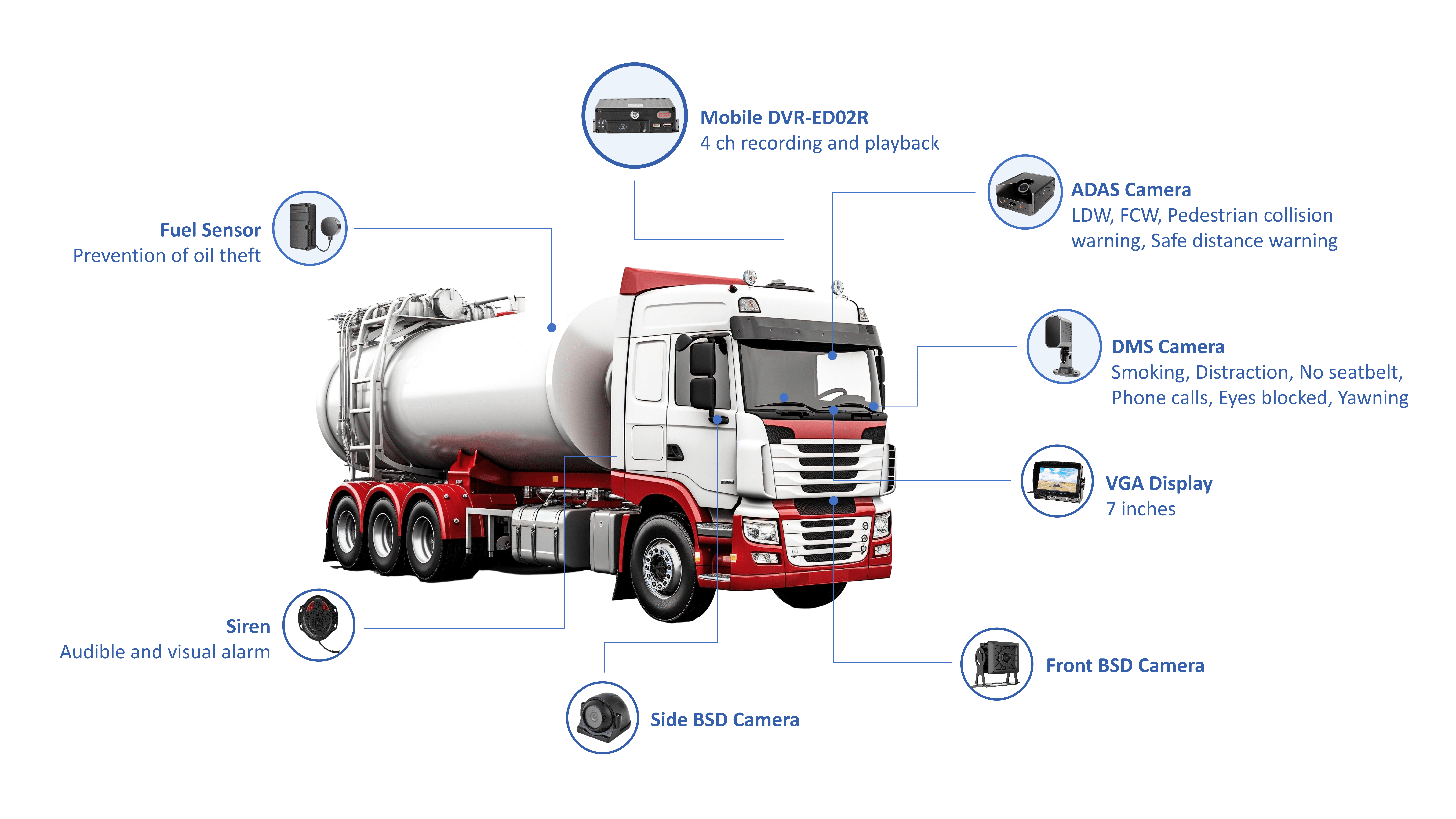
At BSJ Technology, we develop connected vehicle hardware and fleet IoT solutions. For remote oil and gas environments, our solution combines smart sensors, AI-powered cameras, real-time GPS tracking, and driver behavior analysis to help operators review vehicle activity with relevant context.
Why Remote Sites Need Consistent Vehicle Visibility
Service vehicles carry technicians, deliver tools, inspect equipment, and move between locations according to work orders. When updates rely on phone calls or manual logs, dispatchers may struggle to confirm a vehicle’s position or arrival.
A connected oil and gas vehicle tracking system gives operations teams vehicle positions and trip information through a monitoring platform. Dispatchers can check progress, coordinate assignments, and review delays or route deviations using a time-based record.
Visibility should reflect the site’s workflow. Teams need to define which vehicles are monitored, who can view the information, how often location data is updated, and which events require attention. A maintenance team may need to confirm a technician’s arrival, while dispatch focuses on vehicle availability. Separating these use cases keeps information relevant to each team.
Connect Location Data With Vehicle and Driver Context
A vehicle position shows where an asset is, but not always what is happening around it. Remote operations can benefit from combining GPS information with vehicle and safety data. This is why oil and gas fleet management involves more than a basic locator.
Our oil and gas solution supports vehicle status monitoring and data integration, helping fleet operators gain a broader view of vehicle operations. Depending on the configuration, teams can use this information to assess operational conditions and coordinate fleet activities across remote sites.
Driver monitoring and Advanced Driver Assistance System functions can also support safety procedures. BSJ’s oil and gas solution describes AI camera capabilities for driver behavior, including fatigue and distraction monitoring, as well as ADAS functions such as lane departure and forward collision warnings. Front and side blind-spot detection can provide additional awareness when large vehicles maneuver in busy or restricted areas.
These functions support established site rules but do not replace driver training or supervisory judgment. Operators should define relevant alerts, recipients, and follow-up procedures.
Plan Tracking Around Site Conditions and Workflows
Remote locations create challenges for installation, communications, and maintenance. Before deployment, teams should map service routes and identify areas with limited cellular coverage, restricted access, changing work locations, and different vehicle types.
A deployment plan should cover several questions:
These details guide hardware configuration and information display. They also help system integrators align vehicle devices with fleet software and site procedures. For third-party platforms, confirm compatibility and data requirements during system design.
Installation planning should account for vehicle power, camera views, antenna placement, and access for future inspection. Agree on how devices will be checked after maintenance or vehicle replacement. A practical oil and gas vehicle tracking system depends on consistent installation records as well as suitable equipment.
Turn Tracking Records Into Practical Follow-Up
Tracking supports operations when teams establish a clear response process. For a location exception, unexpected stop, or safety alert, dispatch can confirm the vehicle, time, and location, then review trip details or available video. The responsible supervisor can record any action and close the follow-up.
Our fleet monitoring approach supports vehicle tracking, video management, alerts, reports, and device management. Remote configuration tools can also assist with device settings and maintenance, depending on the hardware and platform.
Teams should assign responsibility for reviewing alerts and define what counts as a completed response. A short operating procedure can state who checks the event, when a supervisor is involved, and where supporting video or trip information is stored. This keeps follow-up consistent across shifts and locations.
When assessing oil and gas fleet management, operators can define measurable questions before selecting reports: do vehicles reach assigned locations, how often do route exceptions occur, which safety events need coaching, and do devices remain connected? Indicators should reflect site priorities and be reviewed consistently.
Building a Connected Approach for Remote Operations
Service vehicle tracking works best as part of a wider operating process. GPS establishes location and trip history, while cameras and sensors add context for safety and asset monitoring. Access rules, alert ownership, maintenance procedures, and platform integration help teams use the information.
At BSJ Technology, we provide AI dashcams, MDVR systems, GPS trackers, and connected fleet IoT solutions. Our oil and gas solution brings together tracking, smart sensing, AI video, and driver behavior analysis for tank-truck and related fleet operations. We work with customers and solution partners to align configurations with deployment needs.

BSJ Technology (SZSE: 301608) is a global provider of AI Video Telematics and Connected Fleet IoT solutions. Since 2009, BSJ has developed AI Dashcams, MDVR systems, and GPS tracking solutions for commercial fleets worldwide.