We're here to help. Reach out for any inquiries about our products, services, or partnerships.
Choose your operating system to start
Mining operations involve vehicles working across large sites, changing routes, and demanding schedules. When location data, dispatch decisions, driver information, and vehicle status are handled separately, managers can struggle to coordinate daily operations. A structured mining fleet management workflow connects these information points.
For fleet owners, site managers, and solution integrators, the objective is to define how information moves from vehicles to the people responsible for planning, monitoring, and response. The workflow should reflect the site layout and operating procedures.
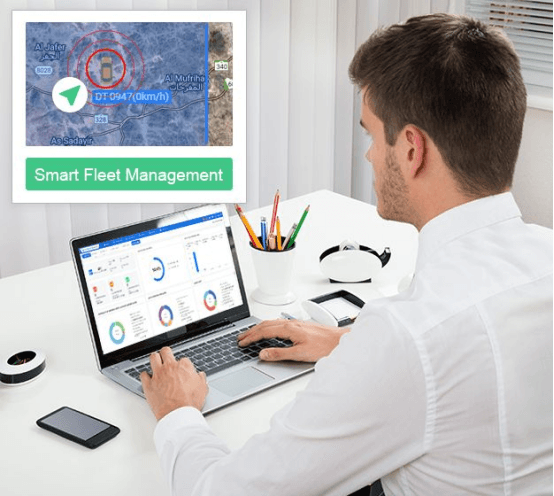
Map the Fleet and Define Operational Zones
Document the vehicles in scope and the areas in which they operate. A mining fleet may include haul trucks, service vehicles, and support equipment with different duties. Record each vehicle’s role, operating area, assigned team, and reporting requirements. This provides the foundation for mining fleet management.
Next, divide the site into meaningful operational zones. These could include loading areas, haul roads, workshops, fuel stations, storage areas, and site entrances. The exact zones should follow the mine’s layout and internal terminology. Clear zone definitions help managers interpret vehicle movements in context rather than treating every location update as an isolated point. They create a shared reference for dispatchers and supervisors. Keep zone names consistent across maps, reports, and shift procedures.
Agree on which events require attention. A vehicle entering a restricted area, remaining stationary longer than expected, or moving outside an assigned zone may warrant review. Set thresholds with site supervisors so alerts support procedures without creating unnecessary notifications.
Connect Tracking Data With Dispatch Decisions
GPS tracking is more useful when connected to dispatch routines. Location information helps dispatchers see where vehicles are, how they move between work areas, and whether assignments are progressing. It should support operational decisions, not replace dispatchers’ experience.
Define who reviews locations, how often they are checked, and what happens when a vehicle is delayed or deviates from its route. Dispatchers can use the information to coordinate assignments, identify congestion, or contact drivers. These steps make mining fleet management more consistent across shifts. For rotating dispatch teams, document active assignments, delayed vehicles, unresolved alerts, and route changes during handover.
A mining telematics solution can bring location and operational information into a shared monitoring process. When evaluating mining telematics, check whether it represents site zones, presents information dispatchers can use, and fits the existing workflow. The goal is a clear link between data, responsibility, and action. Involve dispatchers in testing screens and reports before rollout. Their feedback can identify confusing labels, missing zones, or information that is difficult to use.
Include Driver Safety and Vehicle Condition
A workflow should cover more than location. Driver behavior and vehicle condition data can help supervisors identify issues for follow-up. Depending on the equipment and solution, information may support reviews of driving events, vehicle status, or other indicators.
Define who receives safety alerts, who checks the context, and how coaching or corrective action is recorded. Consider each event alongside road surface, visibility, traffic, and the task being performed. This helps supervisors make useful assessments. Coaching records should focus on observations and agreed actions, while access to driver information should follow company policy.
Vehicle health information can support maintenance coordination. Define how issues reach maintenance staff, how urgency is assessed, and how resolutions are documented. Connecting these steps with mining fleet management helps prevent important information from remaining only in a dashboard.
Establish an Exception and Response Process
Sites experience delays, route changes, equipment issues, and communication gaps. Define how teams handle exceptions. For each alert, identify the responsible role, expected response, and information to record.
A location alert may first be reviewed by dispatch. If it affects safety or equipment condition, escalate it to a site supervisor or maintenance team under site procedures. Keep alerts purposeful, and clarify which events require immediate action and which can wait for a routine review.
Record what happened, who handled it, what action was taken, and whether the workflow needs adjustment. These records help teams identify recurring delays without relying only on informal shift handovers. Assign an owner to review patterns and propose process changes.
Review Performance and Refine the Workflow
Review the workflow after implementation and as operating needs change. Managers can examine vehicle utilization, waiting time, route deviations, response time, and recurring alerts. Useful measures depend on the mine’s objectives and available data.
Discuss results with dispatchers, supervisors, drivers, and maintenance teams. Their feedback can show whether alerts are relevant, responsibilities are clear, and information reaches the right person. Avoid metrics that do not answer an operational question.
At BSJ Technology, we focus on AI video telematics, GPS tracking, and fleet management solutions for commercial and industrial fleets. Our mining telematics solutions can support visibility into vehicle operations and help teams organize monitoring around their site requirements. To structure a workable mining fleet management workflow, begin with clear operating zones, connect data to dispatch and safety processes, and review how each step supports daily decisions.