We're here to help. Reach out for any inquiries about our products, services, or partnerships.
Choose your operating system to start
A school bus may leave the depot on time and still reach a pickup point later than expected. Traffic, roadworks, weather, and changes to the route can all affect arrival times. For parents, the uncertainty often matters as much as the delay itself. They want to know whether the bus is approaching, running late, or has changed its schedule.
A well-planned process connects vehicle location with timely communication. GPS tracking gives dispatchers and school administrators a clearer view of route progress, while automated notifications help families receive useful updates without repeatedly calling the school.
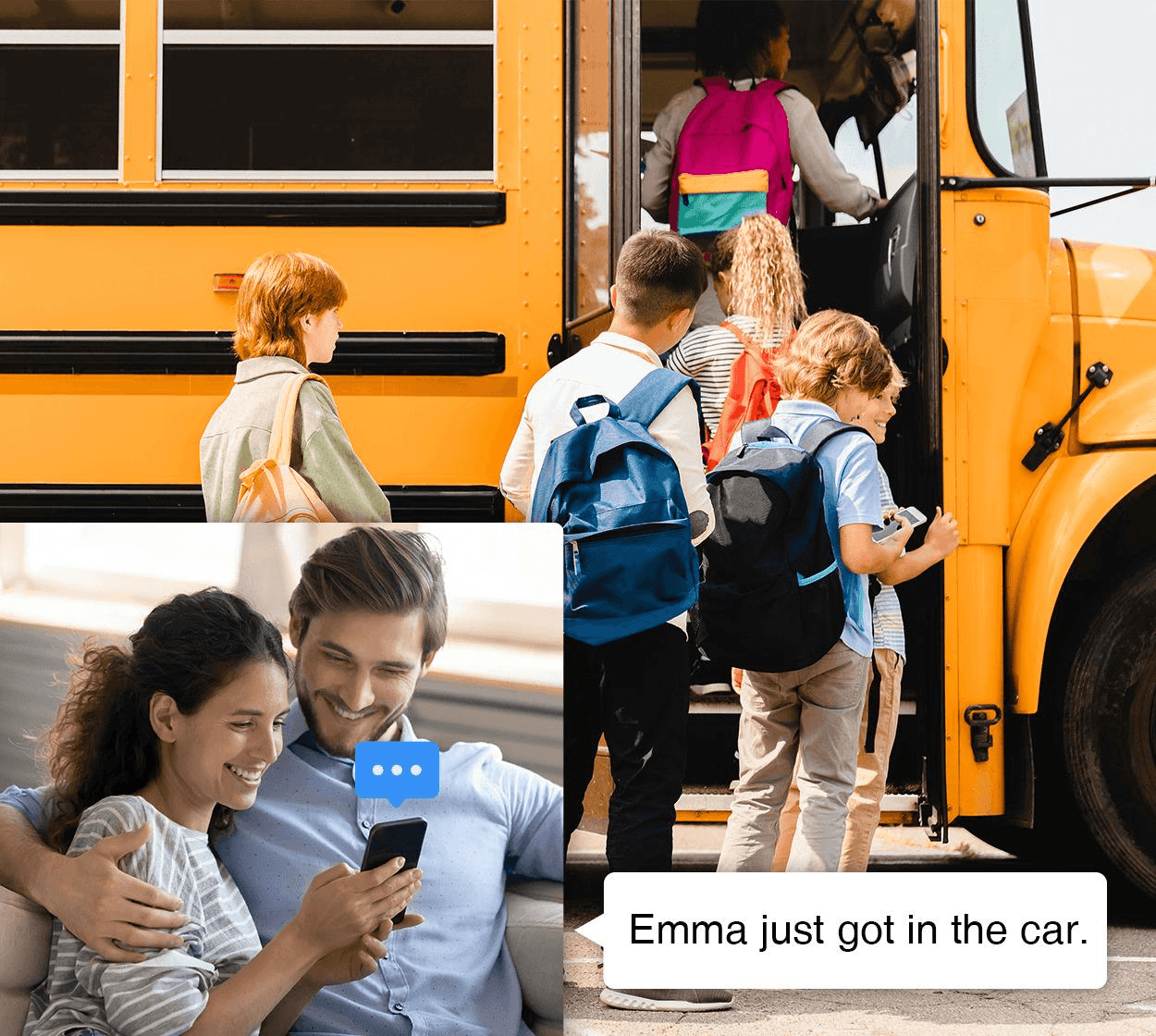
Turn Location Data into Clear Updates
Real-time tracking is most useful when location information is translated into updates that people can understand. A GPS device reports the vehicle’s position and route activity. The fleet platform, often referred to as school bus tracker software, can then make this information available to authorized administrators and, where the service is configured, parents.
The distinction between raw tracking data and a parent-facing message is important. Schools can define which events trigger a notification, such as a bus approaching a stop or a revised arrival estimate.
BSJ Technology’s school bus fleet management solution supports real-time vehicle tracking and automated app or SMS notifications about arrival times. This gives school operators a practical basis for sharing updates while keeping dispatch teams informed about vehicle movements.
Design Notifications Around the School Day
A useful notification process starts with the school’s actual operating routine. Pickup times, drop-off points, route sequences, and communication responsibilities should be established before alerts are configured. Without these details, messages may arrive too early, too late, or go to the wrong recipients.
Schools should also decide how the system handles schedule changes. A substitute bus, a temporary road closure, or a revised pickup point can affect the information shown to families. Administrators need a process for updating vehicle and route assignments so that location data remains connected to the correct service.
A better approach is to focus on meaningful events, such as an approaching vehicle, a significant delay, or a confirmed change to the route. The wording should be brief and consistent, with clear distinctions between estimated and confirmed arrival times.
Keep Parents Informed When Plans Change
Unexpected events are part of daily transportation. Congestion may slow a bus, a road closure may require a detour, or a vehicle issue may lead to a replacement. In these situations, a parent-facing service needs more than a live map. It needs a clear process for checking the information before communicating it.
Dispatchers can review the vehicle’s current location and route progress, then decide whether an update is necessary. If a replacement vehicle is assigned, the school should confirm that its GPS device is correctly associated with the route. This step helps prevent families from receiving location information for the original bus after the service has changed.
The same principle applies when GPS data becomes unavailable or appears inconsistent. An uncertain estimate should not be presented as a confirmed arrival time. Schools can define when notifications are paused and who is responsible for sending a manual update.
Connect Communication with Safety and Vehicle Status
Parent communication is only one part of school transportation oversight. Fleet teams also need information about driving behavior and vehicle condition. BSJ’s school bus solution describes monitoring for events such as speeding, harsh braking, and driver fatigue, with alerts that can support timely review. Interior cameras provide another source of operational visibility.
Vehicle health information can also help operators plan around potential disruptions. The official solution page identifies engine status, brake condition, and fuel levels as monitored vehicle information. Reviewing these indicators alongside route activity can help maintenance teams investigate issues before they affect scheduled services.
For school bus fleet management, these functions work best when responsibilities are clearly defined. Dispatchers handle route exceptions, safety supervisors review driving events, and maintenance staff follow up on vehicle alerts.
Build a Consistent Communication Process
Before expanding a parent-facing service across a fleet, operators can test it on a limited number of routes. The pilot should include normal journeys as well as common exceptions, including delays, route changes, substitute vehicles, and temporary loss of GPS data.
Access and data handling also require planning. Schools should determine who can view vehicle locations, manage recipient lists, and review historical records. Local privacy rules and school policies should guide the use of location data and onboard video, particularly where children are involved.
At BSJ Technology, we provide GPS tracking and connected school transportation capabilities that help operators coordinate vehicle visibility, driver behavior information, vehicle health monitoring, and arrival notifications. Our school bus fleet management solution is designed to support daily oversight, while BSJ Technology works with fleet operators and solution providers on connected telematics deployments. A clear communication process helps turn tracking information into updates that families can use and school teams can manage.

BSJ Technology (SZSE: 301608) is a global provider of AI Video Telematics and Connected Fleet IoT solutions. Since 2009, BSJ has developed AI Dashcams, MDVR systems, and GPS tracking solutions for commercial fleets worldwide.