We're here to help. Reach out for any inquiries about our products, services, or partnerships.
Choose your operating system to start
Remote oil and gas fleets often operate across large areas, making fuel management an important part of daily operations. For tank truck operators, unexpected fuel-level changes may affect operating costs, inventory records, and delivery accountability. However, identifying an unusual reading does not automatically explain its cause. Companies need a practical way to collect fuel data, recognize abnormal changes, and determine when further investigation is necessary.
At BSJ Technology, we see real-time alerts as a useful part of this process. By connecting fuel sensors with compatible telematics devices, we help fleet operators identify selected fuel-related events without relying entirely on manual inspections. This is an important consideration when developing oil and gas fleet management solutions for remote operations.
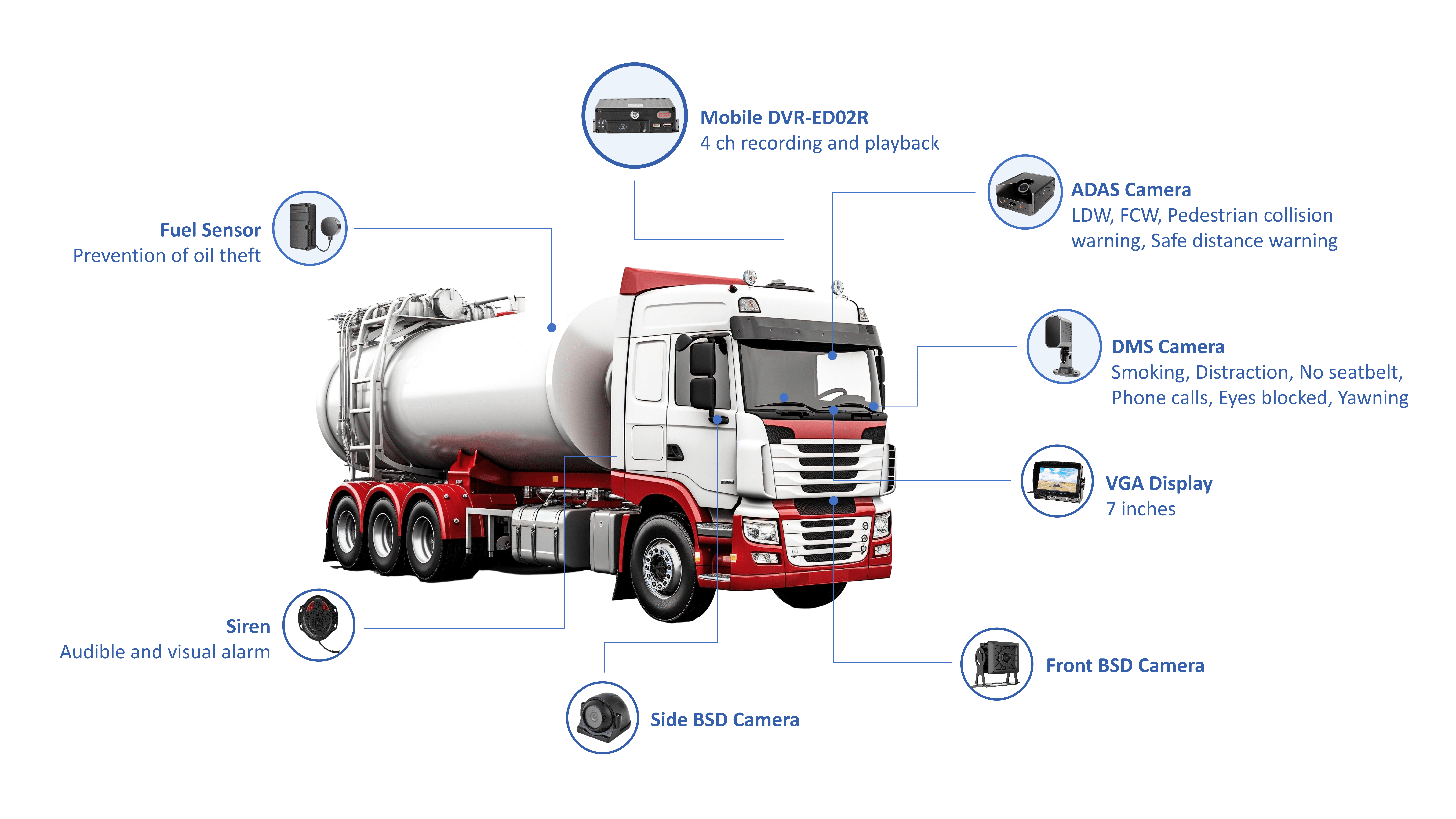
Why Do Remote Fleets Need Fuel-Related Alerts?
Fuel management involves more than recording consumption during a trip. Operators also need to understand refueling activities, unexpected level reductions, and differences between recorded consumption and actual operating requirements.
For fleets operating across multiple sites, periodic inspections may make it difficult to determine when an unusual change occurred. With connected monitoring devices, fuel information can be collected and reviewed throughout vehicle operations.
We support an alert-based approach in which predefined conditions help identify changes that deserve attention. For example, a rapid fuel-level decrease while a vehicle is stationary may require further investigation.
An alert should not automatically be treated as evidence of fuel theft. Normal consumption, refueling, and maintenance activities can also affect fuel readings. Establishing appropriate detection conditions helps managers distinguish routine changes from events that need closer review.
How Can Fuel Monitoring Identify Unusual Changes?
A connected fuel tracking system uses sensor information to monitor changes in tank levels. Depending on the hardware configuration, fuel data can be transmitted through a compatible telematics device for further processing.
Our fleet IoT accessories include fuel monitoring sensors. We also provide the EH27 AI vehicle security camera, which supports fuel-event detection through a built-in Fuel-ADC interface. Its fuel-related event settings can be configured according to fleet management requirements.
A typical monitoring process involves several stages:
For example, an unexpected fuel decrease during a stationary period may trigger an event notification. The recorded time and associated information can help managers check whether the change corresponds with refueling, maintenance, or another activity.
This process helps companies focus on specific fuel-related exceptions rather than treating every change as an incident.
What Should Managers Consider When Configuring Fuel Alerts?
We recommend configuring alerts according to vehicle type, fuel tank characteristics, operating schedules, and management requirements. Settings that do not reflect actual operating conditions may generate unnecessary notifications or overlook changes that deserve attention.
Before deployment, fleet managers can review several factors:
| Consideration | What to review |
| Detection conditions | Which fuel-level changes should generate notifications |
| Alert thresholds | What amount or rate of change requires review |
| Operating conditions | Whether refueling and normal consumption are considered |
| Notification management | Which personnel should receive fuel-related alerts |
| Event records | Whether relevant readings and timestamps can be reviewed |
We also recommend testing alert settings under representative operating conditions. This helps identify whether normal fuel consumption generates unnecessary notifications and whether selected rules match the fleet's requirements.
For system integrators, hardware compatibility is another consideration. Fuel sensors, telematics devices, and management platforms need to work together so that collected information can support the intended monitoring process.
How Can Companies Review Fuel Anomalies?
An alert should initiate an investigation rather than serve as the final conclusion. Fuel-level changes can have different explanations, including normal consumption, refueling, maintenance, or unauthorized extraction.
We suggest establishing a consistent procedure for examining reported events. Managers can first check the time and recorded fuel-level change, then compare the information with refueling documentation or maintenance schedules.
For applications using compatible camera hardware, visual records can provide additional information. Our EH27 supports automatic video and snapshot capture for configured fuel events, helping personnel examine activity around a vehicle when an unusual change is detected.
Companies should also retain records of investigated events and their outcomes. These records can help identify recurring issues, review alert settings, and improve internal fuel management procedures.
Connecting Fuel Alerts With Daily Operations
At BSJ Technology, we approach fuel monitoring as part of a connected fleet management process. Sensor readings identify changes, configured rules highlight selected events, and supporting records help personnel investigate their possible causes.
Our product portfolio includes GPS trackers, smart fleet sensors, AI cameras, and MDVR systems. For oil and gas operators, we provide fuel monitoring and fuel-related event detection capabilities to support tank truck applications.
When evaluating an oil and gas fleet management solution, companies should consider how fuel data is collected, how abnormal changes are identified, and whether event records fit existing management procedures. A suitable fuel tracking system should support a practical process for reviewing fuel-related events.
As an AI Video Telematics Manufacturer, BSJ Technology provides connected hardware and OEM/ODM capabilities for fleet solution providers and system integrators. We focus on connecting relevant devices to support different commercial fleet application requirements.

BSJ Technology (SZSE: 301608) is a global provider of AI Video Telematics and Connected Fleet IoT solutions. Since 2009, BSJ has developed AI Dashcams, MDVR systems, and GPS tracking solutions for commercial fleets worldwide.