We're here to help. Reach out for any inquiries about our products, services, or partnerships.
Choose your operating system to start
For commercial fleet operators, an unavailable vehicle can disrupt delivery schedules, reduce capacity, and force dispatch teams to reorganize assignments. A structured maintenance process helps teams plan work before minor issues become unexpected downtime.
A fleet telematics platform can contribute by connecting vehicle activity and location information with the maintenance records used by operations teams. The technology does not replace inspections or workshop expertise. Instead, it can help managers organize information, identify vehicles that need attention, and coordinate maintenance around actual fleet activity.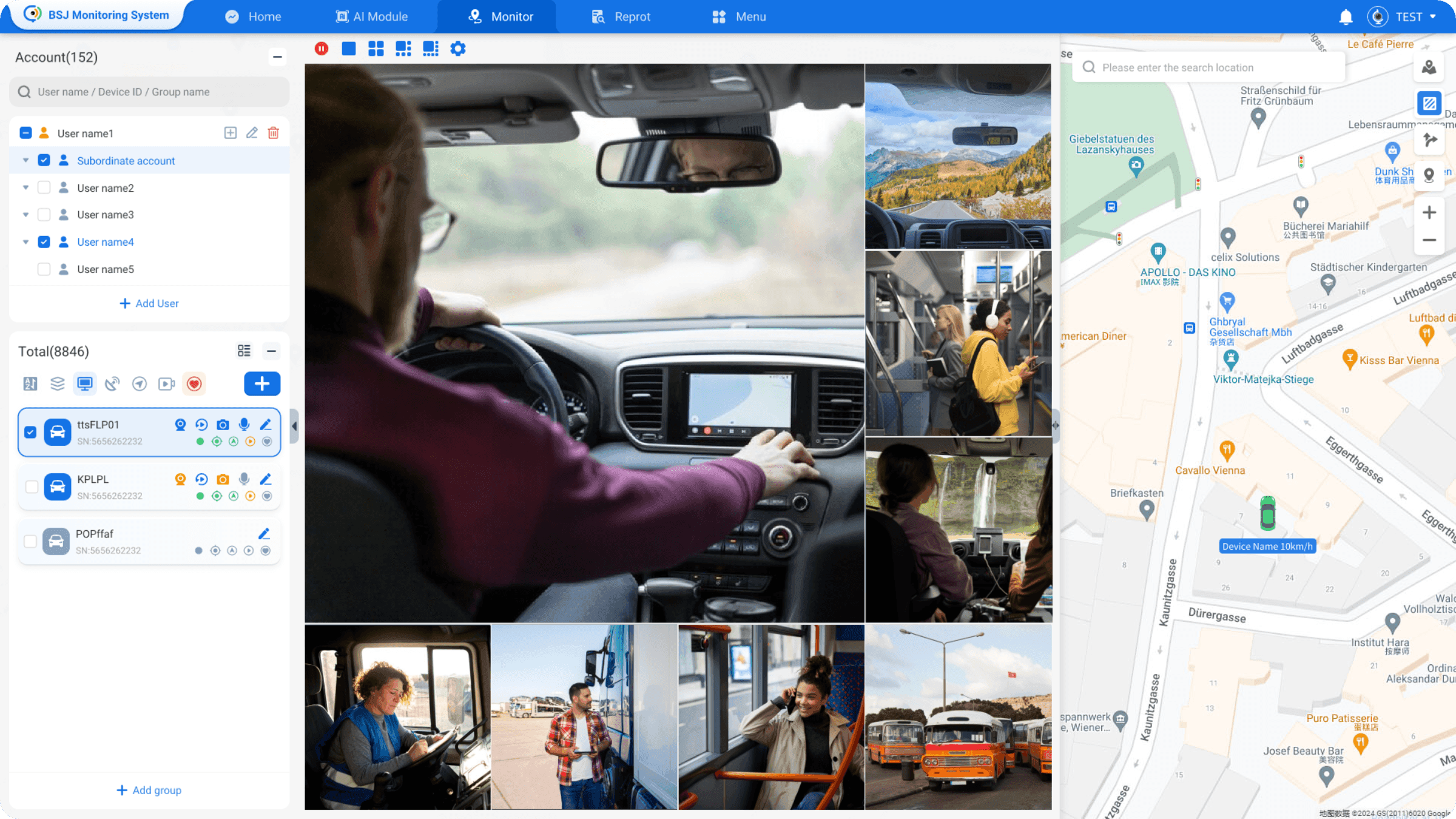
Why does maintenance tracking matter for fleet uptime?
Fleet uptime depends on having the right vehicle available when an operation needs it. Preventive maintenance supports this goal by scheduling inspections and servicing at defined intervals, while corrective maintenance addresses faults that have already occurred. Both require accurate records and clear responsibility.
Without a consistent process, maintenance dates may be missed, service history can become fragmented, and vehicles may be assigned even when a check is due. These gaps are harder to manage when a fleet operates across several depots, regions, or shifts.
A connected fleet telematics platform can provide useful operational context. Location history and vehicle status help dispatch teams understand where vehicles are and whether they are active, while maintenance records show when each unit is due for inspection or service. When these sources are reviewed together, managers can plan workshop visits with fewer conflicts with scheduled work.
What information should a fleet maintenance process track?
A maintenance record should make it easy to understand a vehicle’s condition, service history, and next required action. Fields depend on vehicle type, manufacturer guidance, operating intensity, and internal policy.
Useful information may include:
l Vehicle identity: registration, internal fleet number, model, and assigned depot.
l Usage information: mileage, engine hours where available, and operating dates.
l Service history: inspection dates, completed work, replaced parts, and workshop details.
l Upcoming tasks: next service interval, inspection due date, and responsible team.
l Fault and incident notes: driver reports, warning indicators, and follow-up actions.
Data quality matters as much as the software used to store it. Fleet teams should agree on consistent vehicle identifiers, units of measurement, date formats, and responsibility for updating records. If mileage or engine-hour readings are entered manually, a defined checking process can help reduce errors.
How can fleet tracking software support maintenance planning?
Fleet tracking software can help maintenance coordinators see vehicle location and operating activity when arranging inspections or repairs. For example, a manager can check whether a vehicle is near a suitable service location, whether it is currently assigned to a route, and when it may be available for workshop work.
When teams use fleet tracking software as part of this process, location and activity records can make coordination easier. This information can support scheduling, but it should not be confused with a complete vehicle diagnostic system. GPS tracking alone does not confirm component condition or identify every mechanical fault. Where diagnostic data is available from compatible vehicle interfaces or sensors, it can be incorporated according to the capabilities of the installed hardware and software.
At BSJ Technology, our Monitoring System provides fleet visibility features including GPS tracking, live video monitoring, event playback, and fleet status. Our Configurator supports device setup and parameter configuration, while the FOTA Web Platform supports remote firmware updates and device maintenance. These tools address fleet visibility and telematics-device management. Vehicle servicing schedules and mechanical repair records should still be maintained through the operator’s maintenance workflow or a compatible management system.
How should maintenance tasks fit into daily fleet operations?
A maintenance process works best when it is integrated into dispatch and vehicle assignment rather than treated as a separate administrative activity. Before assigning a vehicle, dispatch staff can check whether it has an upcoming service appointment, an unresolved defect, or a restriction recorded by the maintenance team.
A simple workflow can follow four steps:
l Record usage and inspection information at an agreed frequency.
l Review due dates and reported defects during fleet planning.
l Coordinate workshop availability with routes, shifts, and vehicle demand.
l Record completed work and update the next inspection or service requirement.
Managers should define how urgent defects are escalated. A safety-related issue may require a vehicle to be removed from service, while a routine inspection can often be planned around operating demand. Clear categories help dispatchers and maintenance staff make consistent decisions.
For larger fleets, reporting can reveal repeated maintenance delays, vehicles with frequent repair visits, or depots where service capacity is constrained. These patterns can guide decisions about replacement planning, spare vehicles, workshop resources, and operating schedules.
Building a more reliable maintenance workflow
Maintenance tracking supports fleet uptime when vehicle activity, service records, and operational planning are connected through a consistent process. The most useful system is not simply one that stores more data. It is one that helps the right people identify due work, coordinate vehicle availability, and record what has been completed.
At BSJ Technology, we provide connected fleet hardware and software tools that support vehicle visibility, device configuration, and remote device maintenance. Fleet operators and solution providers can assess our platform alongside their existing maintenance procedures and integration requirements to build a workflow suited to their vehicles and operating environment.

BSJ Technology (SZSE: 301608) is a global provider of AI Video Telematics and Connected Fleet IoT solutions. Since 2009, BSJ has developed AI Dashcams, MDVR systems, and GPS tracking solutions for commercial fleets worldwide.