Choose your operating system to start
Unexplained fuel variances frequently distort operating budgets across commercial transport operations. Fleet managers routinely encounter mismatches between purchased diesel and logged engine hours, yet paper logs provide zero visibility into where liquid energy vanishes. Pinpointing whether losses stem from mechanical drag, unauthorized idling, or deliberate theft requires continuous empirical telemetry.
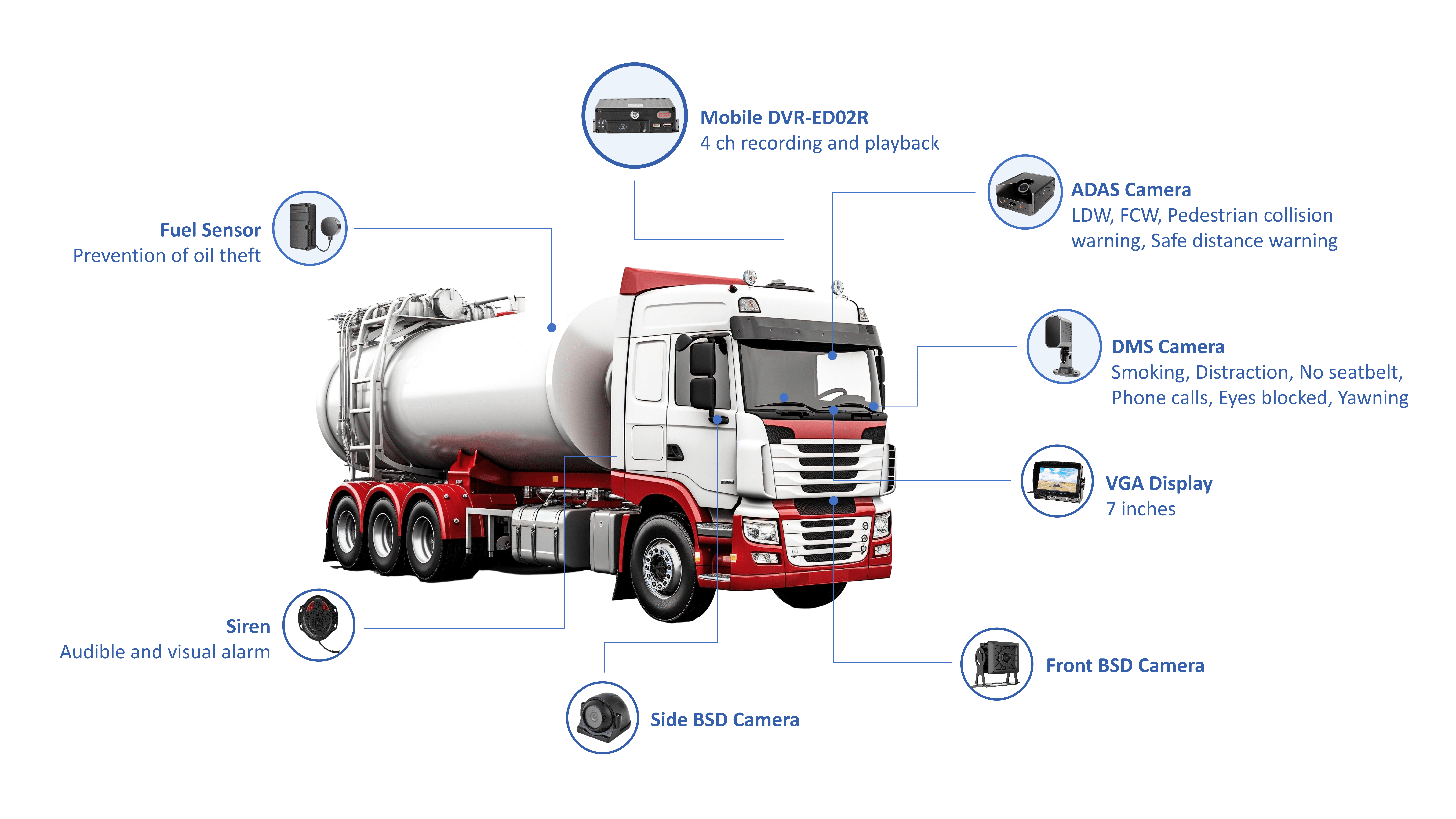
Deploying a modern fleet fuel monitoring system changes this dynamic by transforming static fuel tanks into active, transparent data points. We manufacture hardware solutions that bridge physical fuel sensors with vehicle telematics processors to deliver uninterrupted liquid visibility. Continuous telemetry enables operators to identify consumption anomalies before accumulated losses undermine profitability.
Detecting abnormal burn rates requires far more than periodically reading a dashboard float gauge. Commercial haulage demands comparative diagnostics that cross-reference instantaneous liquid levels against engine workload, geographic coordinates, and ignition states. Synchronizing these independent telemetry streams is essential to distinguish genuine operational demand from illicit drainage.
Accurate anomaly detection begins with ultra-reliable physical measurement inside the vehicle tank. Submersible capacitive level probes and external ultrasonic sensors continuously monitor liquid depth, transmitting calibrated digital readings directly to an onboard tracking hub via RS485 connections. High-precision hardware registers millimeter-level fluid shifts, establishing a continuous record of available fuel volume.
Liquid sloshing represents a significant technical hurdle during transit, as cornering, acceleration, and braking generate violent waves inside heavy tanks. Raw sensor output fluctuates dramatically under these dynamic forces, risking frequent false alerts if left unfiltered. Intelligent hardware smoothing algorithms continuously average fluid displacement, converting volatile wave motions into a stable, representative baseline reading.
Hardware engineers at BSJ Technology design sensor interfaces to maintain structural stability across extreme temperature ranges, preventing thermal expansion from skewing raw capacitance or acoustic travel times. Calibrated baseline stability ensures that subsequent algorithmic flags reflect genuine fuel irregularities rather than seasonal weather shifts or sensor drift.
Configuring a reliable fuel monitoring system for trucks enables platform algorithms to chart expected consumption curves for specific freight corridors. Highway cruising under steady loads produces a predictable volumetric gradient, whereas mountainous climbs establish elevated burn baselines. Every vehicle class and delivery route eventually builds an empirical consumption fingerprint against which anomalies are measured.
Direct fuel theft almost universally occurs while commercial vehicles remain stationary. Siphoning operations exploit vulnerable moments during mandatory driver rest breaks, remote staging lots, or unsecured depot parking where tanks sit unmonitored for extended hours. Perpetrators quickly siphon hundreds of liters through the filler neck or drain plug while vehicle systems remain powered down.
Specialized telematics tracking units combat this vulnerability by remaining operational in low-power standby modes after the primary vehicle ignition switches off. Battery-backed telemetry hubs continue polling connected tank sensors at predefined sampling intervals. Rapid volumetric drops occurring during an ignition-off state immediately trigger internal alarm thresholds.
Pairing a connected fleet fuel monitoring system with mobile video telematics elevates siphoning detection from reactive alerts to undeniable visual proof. Volumetric drops wake external cameras to record high-resolution video around the tank perimeter. Dispatchers receive instant cellular alarm packets containing volumetric curves, precise GNSS coordinates, and synchronized video clips.
Abnormal fuel loss does not always involve criminal intervention or external tampering. Hidden mechanical problems—such as dragging brake calipers, degraded fuel injectors, turbocharger leaks, or improper tire inflation—force heavy engines to burn surplus fuel to maintain cruising speed. Identifying these creeping operational drains requires examining consumption in direct relation to engine effort.
Interfacing telematics tracking hubs directly with the vehicle J1939 CAN bus extracts critical powertrain variables, including engine torque, engine speed, and commanded fuel rates. Onboard diagnostic processors evaluate fuel consumption alongside real-time gross vehicle weight and road topography. Comparing these streams reveals whenever an engine consumes disproportionate diesel relative to delivered mechanical work.
Implementing an advanced fuel monitoring system for trucks enables maintenance teams to isolate deteriorating equipment long before dashboard check-engine lights illuminate. When a specific tractor consistently demands elevated fuel volumes pulling standard loads over flat terrain, maintenance schedulers can inspect drivelines proactively. Early mechanical intervention restores baseline fuel efficiency and prevents severe road breakdowns.
Refueling fraud represents a persistent financial drain where billed card volumes exceed actual diesel entering vehicle tanks. Dishonest practices include billing companies for eighty gallons when only sixty enter the tank, using fleet credit cards to fill unauthorized private containers, or purchasing phantom diesel. Detecting these discrepancies requires reconciling transaction slips against verified tank expansion.
Continuous telemetry records positive volume surges in real time during filling cycles, logging starting levels, peak heights, and cycle duration. Integrating an enterprise fleet fuel monitoring system enables software platforms to cross-reference physical volume jumps against electronic fuel card receipts. Automated verification exposes discrepancies between billed gallon counts and confirmed tank intake.
Advanced hardware solutions engineered by BSJ Technology log high-precision GNSS coordinates alongside timestamped volume increases during every filling event.
If a corporate card transaction registers at a travel center while onboard sensors detect zero volume increase, auditors uncover ghost purchases immediately. Geofence tracking confirms whether fuel enters tanks inside authorized corporate supplier networks.
Consolidating an integrated fuel monitoring system for trucks replaces guesswork with empirical operational clarity. Synchronized sensor feeds isolate criminal drainage, mechanical drag, and billing discrepancies into verifiable diagnostic events that fleet managers can resolve immediately.
Our focus at BSJ Technology centers on manufacturing durable IoT telematics hardware that empowers fleets to secure their fuel assets. Transparent liquid intelligence safeguards commercial operating margins across every transit mile.

BSJ Technology (SZSE: 301608) is a global provider of AI Video Telematics and Connected Fleet IoT solutions. Since 2009, BSJ has developed AI Dashcams, MDVR systems, and GPS tracking solutions for commercial fleets worldwide.