We're here to help. Reach out for any inquiries about our products, services, or partnerships.
Choose your operating system to start
Managing multi-stop deliveries requires clear coordination between drivers and dispatchers. A single van may serve several customers during one shift, with each stop involving different schedules and delivery requirements. Without reliable vehicle information, tracking route progress and handling unexpected delays can become challenging. At BSJ Technology, we provide connected fleet technologies that help businesses monitor vehicle movements, coordinate delivery activities, and maintain better visibility throughout daily operations.
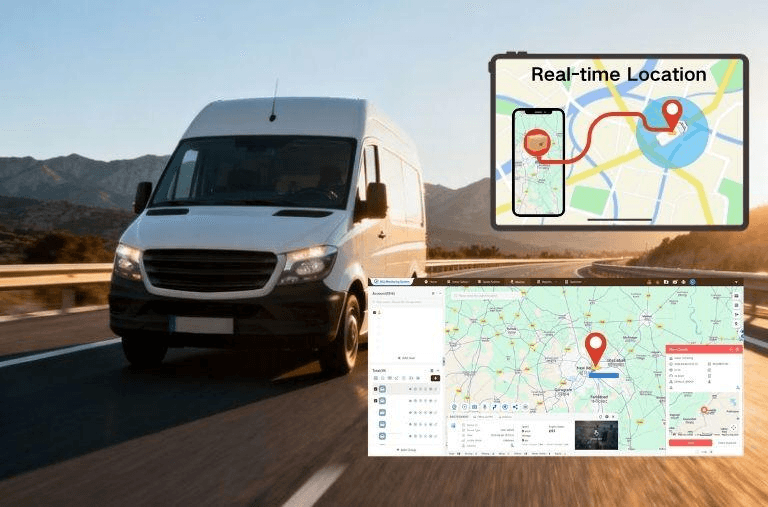
Why Does Multi-Stop Delivery Require Better Fleet Visibility?
Multi-stop delivery operations involve more variables than a journey between two fixed locations. Drivers must follow assigned routes, reach different destinations, and manage changes caused by traffic, customer availability, or loading requirements.
A structured van fleet management approach helps managers connect vehicle locations with delivery schedules. Instead of relying entirely on driver updates, dispatchers can review vehicle movements and identify situations that require attention.
For example, when a van is assigned six delivery stops, its actual journey may differ from the original plan. A customer might not be available, or road conditions could affect the arrival sequence. Access to vehicle location information helps dispatchers understand these changes and coordinate alternative arrangements.
Fleet visibility is therefore an important part of multi-stop delivery management. It connects route execution with daily dispatch decisions and gives managers a clearer understanding of how vehicles are being used.
How Does GPS Tracking Support Multiple Delivery Stops?
GPS tracking provides location information that helps dispatchers follow vehicle movements during delivery operations. When connected to a suitable fleet management platform, this information can also support route reviews and operational planning.
A delivery vehicle tracking system can support several practical tasks:
BSJ's small van solution uses 4G-connected GPS hardware, with location updates at intervals of less than 10 seconds, route history playback, and intelligent geofence alerts. These functions help fleet managers review vehicle movements and monitor route-related events.
However, GPS information should not be treated as a complete delivery record. A vehicle reaching a customer location does not necessarily confirm that the goods have been handed over. Businesses should combine location information with their own delivery confirmation procedures.
How Can Tracking Information Help Dispatchers Manage Route Changes?
Multi-stop routes rarely remain unchanged throughout the day. Traffic congestion, delayed loading, customer requests, and restricted access can all affect delivery schedules. Dispatchers need sufficient information to decide whether the original route should remain in place or be adjusted.
A delivery vehicle tracking system gives managers access to vehicle location and journey records. When an unexpected stop occurs, the dispatcher can check the vehicle's position and communicate with the driver before changing delivery arrangements.
A practical management process includes:
This process makes van fleet management more connected to actual delivery conditions. It also helps managers review whether vehicles are being distributed appropriately across different service areas.
For businesses handling frequent multi-stop deliveries, historical route information can provide useful material for reviewing recurring delays and improving future schedules.
What Additional Monitoring Functions Can Support Delivery Fleets?
Vehicle location is only one part of delivery fleet management. Driver behavior, cargo protection, and vehicle condition can also influence daily operations. Combining GPS tracking with video telematics provides additional information for managing these areas.
At BSJ Technology, our small van solution combines AI dashcams, GPS tracking, and cloud-based fleet management. The documented functions include ADAS and DMS driver safety monitoring, video evidence for cargo-related disputes, and vehicle health monitoring.
These capabilities address different operational requirements. GPS records help managers review vehicle movements, while camera footage can provide additional context when investigating road incidents or cargo disputes. Driver monitoring can also help identify behaviors that require safety attention.
When selecting a van fleet management configuration, businesses should consider the number of vehicles, camera coverage, data storage, and the information required by dispatch teams. The objective is to select functions that match actual delivery activities instead of adding equipment without a clear operational purpose.
How Should Businesses Prepare for a Multi-Stop Tracking Deployment?
Before introducing new tracking equipment, businesses should examine their existing delivery procedures and software environment. Fleet size, vehicle types, delivery frequency, and reporting requirements all influence system configuration.
Several factors deserve attention:
At BSJ Technology, we focus on developing telematics devices for different commercial vehicle applications. Our product portfolio includes GPS tracking equipment and AI video solutions, with integration options and hardware customization available to accommodate different fleet management projects.
A well-planned deployment allows businesses to connect vehicle monitoring with their existing delivery procedures. With suitable GPS technology and operational planning, multi-stop delivery fleets can maintain clearer vehicle visibility and improve dispatch coordination.For more information about our fleet technologies, visit BSJ Technology.

BSJ Technology (SZSE: 301608) is a global provider of AI Video Telematics and Connected Fleet IoT solutions. Since 2009, BSJ has developed AI Dashcams, MDVR systems, and GPS tracking solutions for commercial fleets worldwide.