Choose your operating system to start
Modern telematics deployments succeed or fail at the interface between vehicle hardware and cloud software. Telematics solution providers and system integrators frequently battle fragmented data schemas, dropped packets, and rigid firmware that locks devices into proprietary ecosystems. Without robust integration capabilities, tracking hardware remains an isolated electronic box rather than a real-time operational engine.
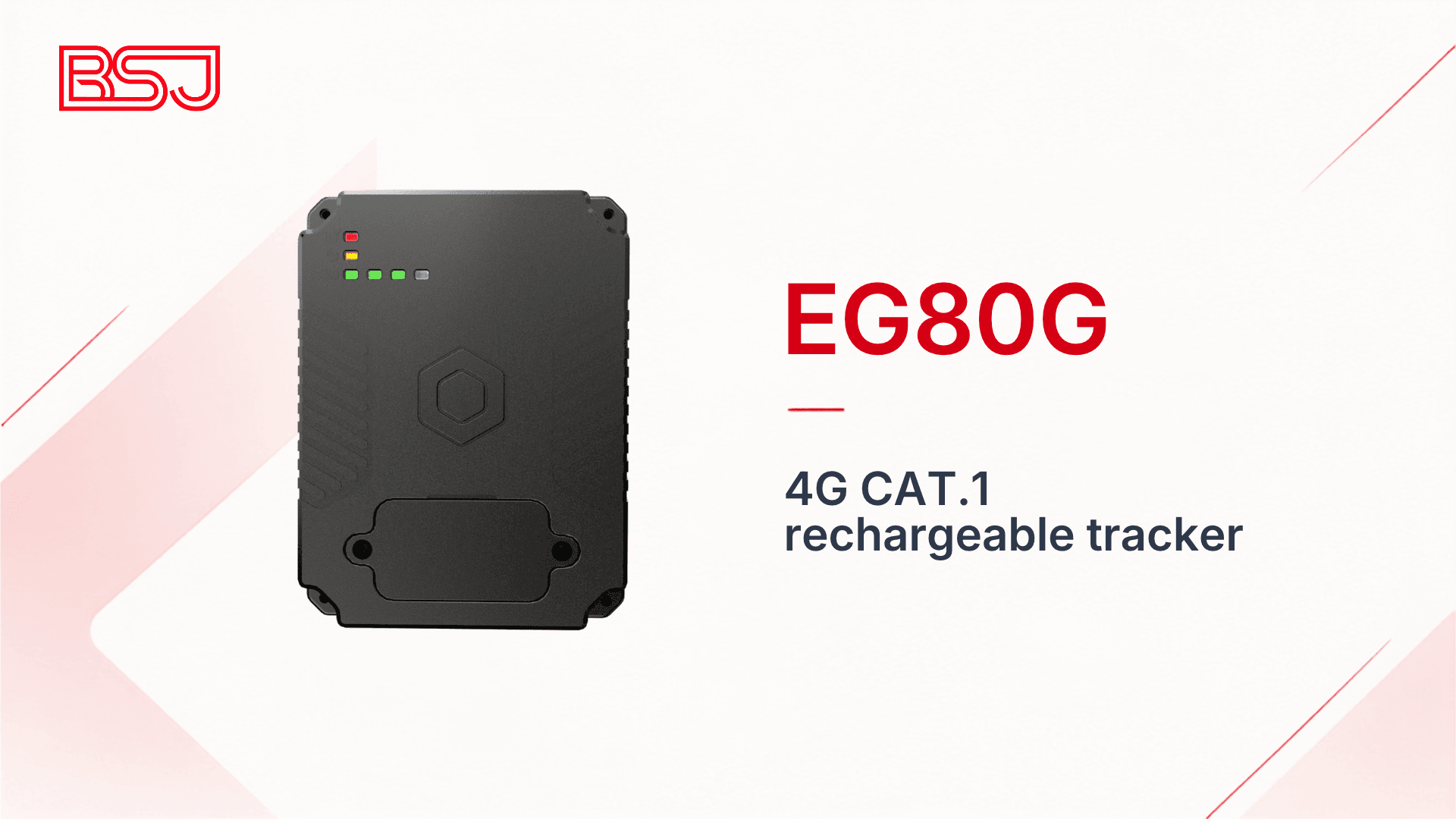
Raw positioning coordinates represent only the initial layer of meaningful fleet intelligence. Real operational value emerges only when a vehicle tracking device aggregates geographic location with CAN bus diagnostics, peripheral sensor signals, and driver behavior metrics into a unified telemetry stream. Achieving this synthesis demands hardware engineered specifically for frictionless protocol translation and cross-platform ingestion.
Telematics platform developers require flexible edge architectures to minimize integration overhead. We manufacture connected hardware at BSJ Technology to eliminate friction between vehicle electronics and third-party software, supplying open protocols that accelerate system onboarding. Understanding how tracking hardware ingests, structures, and dispatches data allows solution providers to build dependable platform integrations.
Vehicle data collection begins at the physical wiring harness, where hardware transceivers bridge diverse vehicle subsystems. Heavy trucks and light commercial vans present starkly different communication environments, demanding hardware capable of decoding J1939, J1708, and OBD-II protocols simultaneously. Tracking devices capture engine speed, coolant temperature, fuel consumption, and diagnostic trouble codes straight from onboard controllers.
Connecting peripheral sensors expands edge awareness far beyond factory powertrain metrics. Multi-port RS232 and RS485 interfaces link digital fuel probes, RFID driver identity readers, and cargo temperature sensors directly to the primary microcontroller. Digital inputs capture ignition states and emergency panic triggers, while analog lines monitor battery voltage drops and external hydraulic pressure.
Ingesting these disjointed analog and digital signals transforms a standard fleet GPS system into a comprehensive hardware hub. Onboard analog-to-digital converters sample sensor voltages continuously, filtering electrical noise before assigning physical engineering values to raw inputs. Hardware-level sensor aggregation ensures downstream software receives cleanly calibrated readings without burdening server infrastructure with noisy telemetry.
Turning disparate electrical pulses into actionable telematics requires rigorous data formatting at the microcontroller level. Microprocessors package millisecond-level GNSS coordinates, powertrain values, and peripheral statuses into compact binary structures. Minimizing packet overhead is paramount to keeping cellular bandwidth expenses manageable across massive commercial fleets.
Efficient protocol serialization separates enterprise-grade trackers from consumer electronics. Compact binary formatting reduces payload footprint by packing complex telemetry states into byte-aligned bitmasks, preventing transmission bottlenecks over high-latency networks. Many fleet architectures prefer structured protocols like MQTT or JSON for rapid cloud ingestion, though binary messaging remains the gold standard for data efficiency.
Deploying a reliable GPS fleet management system depends directly on how effectively hardware conforms to standardized protocols like JT/T 808 or customized TCP/UDP streams. Firmware logic attaches header identifiers, cryptographic checksums, and sequence numbers to every packet before transmission. Standardized byte structures allow platform parsers to dissect location records, alarm events, and sensor payloads without custom decoding patches.
Uninterrupted cellular coverage represents a luxury that long-haul trucking lanes rarely provide. Remote highways, desert transit routes, and subterranean loading docks constantly sever cellular connections, leaving devices unable to reach remote endpoints. Hardware lacking resilient queuing architectures loses vital diagnostic and tracking records permanently during these signal drops.
Industrial-grade flash storage embedded within our hardware at BSJ Technology mitigates network disruptions through non-volatile memory buffering. Internal memory buffers queue up to several hundred thousand position and diagnostic packets during prolonged cellular blackouts. Onboard firmware manages this FIFO queue dynamically, protecting stored data integrity even during sudden primary power cuts.
Restoring cellular connectivity triggers automated transmission safeguards that prevent cloud server saturation. Edge firmware utilizes connection throttling and packet batching to drain local buffers without overwhelming receiving server sockets. Robust backpressure management ensures an operational fleet GPS system maintains continuous data timelines while preserving platform server stability.
Cloud servers receive incoming device transmissions through dedicated TCP or UDP listener sockets. Ingestion microservices terminate socket connections, unpack binary payloads, and validate cyclic redundancy checks against hardware transmission signatures. Corrupted or incomplete frames get discarded at the socket boundary, guaranteeing that only validated telemetry reaches downstream message brokers.
Scalable platform architectures route decoded telemetry through message queues such as Apache Kafka or RabbitMQ. Distributed queuing brokers decouple raw device ingestion from application-layer databases, allowing software to absorb sudden telemetry spikes caused by thousands of simultaneously reporting trackers. Decoded parameters feed analytics engines, automated geofencing listeners, and cold chain compliance monitors concurrently.
Integrating a multi-tenant GPS fleet management system requires bi-directional device command pipelines alongside incoming telemetry channels. RESTful APIs and WebSocket connections empower platform operators to transmit over-the-air configuration updates, query live diagnostic registers, and trigger digital immobilizer outputs. Open API frameworks allow software developers to configure reporting intervals and calibrate peripheral inputs without writing low-level device firmware.
Seamless hardware-to-platform interoperability determines whether a digital fleet modernization initiative succeeds. Restrictive, closed-ecosystem hardware forces solution providers into expensive custom integration projects and leaves operators stranded with incompatible peripherals. Open firmware architecture and transparent protocol documentation liberate software teams to focus on customer-facing features.
Our engineering culture at BSJ Technology focuses on producing open, adaptable hardware that accelerates third-party integration rather than obstructing it. Dedicated technical documentation, comprehensive protocol dictionaries, and parsing sample code reduce deployment timelines from months to days. Hardware flexibility ensures that expanding sensor arrays or upgrading network modems never demands an overhaul of existing software infrastructure.
Selecting an open fleet GPS system protects enterprise technology investments as telematics requirements expand. Standardized protocol bridges, rugged peripheral expansion, and resilient edge buffering ensure continuous data fidelity across every transport mile. Combining robust IoT tracking hardware with an adaptable GPS fleet management system delivers the end-to-end visibility required to drive modern fleet profitability.

BSJ Technology (SZSE: 301608) is a global provider of AI Video Telematics and Connected Fleet IoT solutions. Since 2009, BSJ has developed AI Dashcams, MDVR systems, and GPS tracking solutions for commercial fleets worldwide.