Choose your operating system to start
Commercial fleets should choose an AI-powered Mobile DVR (MDVR) based on four criteria: true multi-channel HD coverage, onboard AI for ADAS, DMS, and BSD, dependable 4G upload speed, and centralized fleet management —these factors determine whether the system actually prevents accidents or just records them.
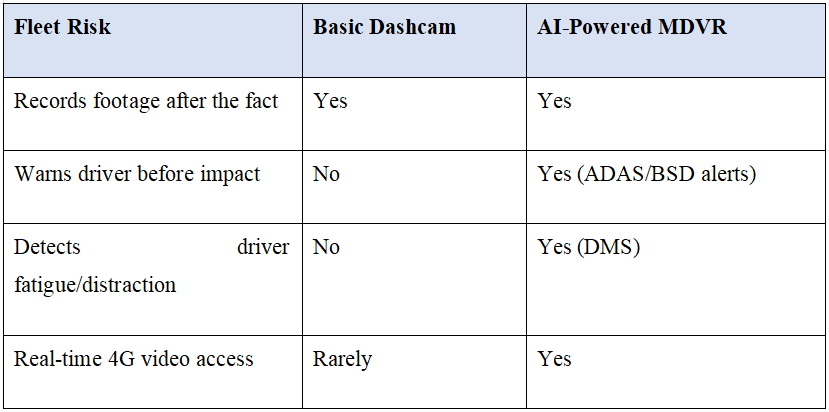
A dashcam typically only records forward footage. It cannot warn a driver before a collision happens. Fleet owners need a system that watches, warns, and reports — not one that simply files evidence after an incident occurs.
An AI-powered Mobile DVR closes that gap. It combines multi-channel recording with onboard artificial intelligence, so the device processes video in real time instead of sending raw footage elsewhere for review.
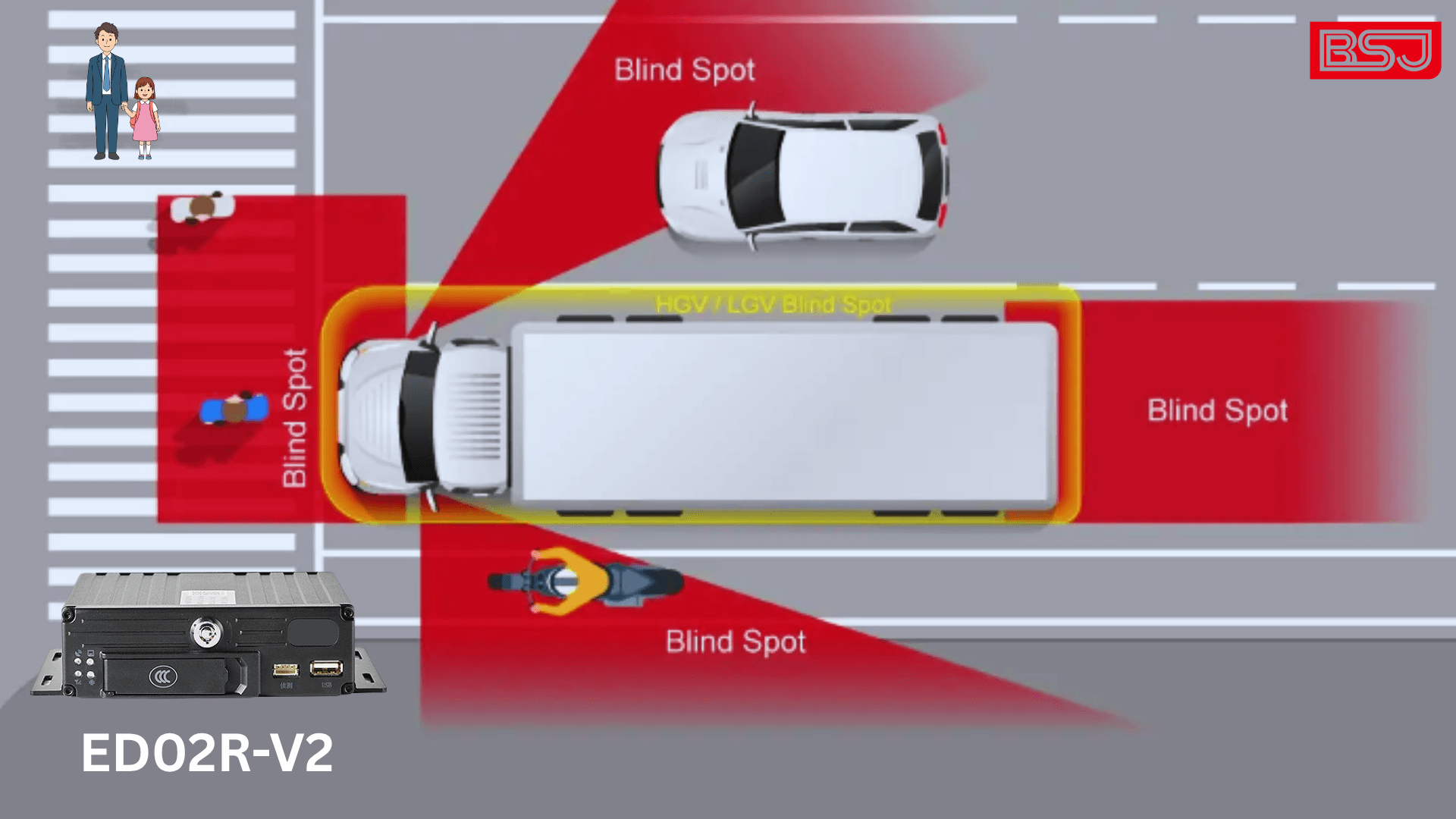
Blind spots make this urgency clear. NHTSA data shows that roughly one out of every three large-truck crashes happens because the other vehicle was hiding in the truck's blind spot and the truck driver never noticed it in time to react.
According to the NHTSA, approximately 840,000 blind spot accidents occur each year in the United States. The blind spots of large trucks (also known as "No-Zones") can extend for several vehicle lengths, making it extremely difficult for drivers to spot smaller vehicles directly behind or beside them, which is a major cause of truck lane-changing and merging accidents. For fleets running box trucks, buses, or construction vehicles, that risk multiplies across every blind corner and reversing maneuver.
A 4 channel mobile dvr should cover the cab, the road ahead, and both blind zones simultaneously. Anything less leaves gaps a single camera cannot fill.
Coverage alone is not enough, though. The device also needs three AI systems working together, each solving a different problem:
Because these three systems run on the same onboard processor, alerts reach the driver within seconds — not after footage is downloaded and reviewed hours later.
Boshijie Technology (BSJ), a fleet IoT manufacturer operating since 2009, builds its ED02R-V2 around exactly this three-system approach. The device pairs 4-channel 1080p/720p recording with a 2.0 TOPS onboard NPU, so ADAS, DMS, and BSD alerts fire without needing a cloud round-trip.
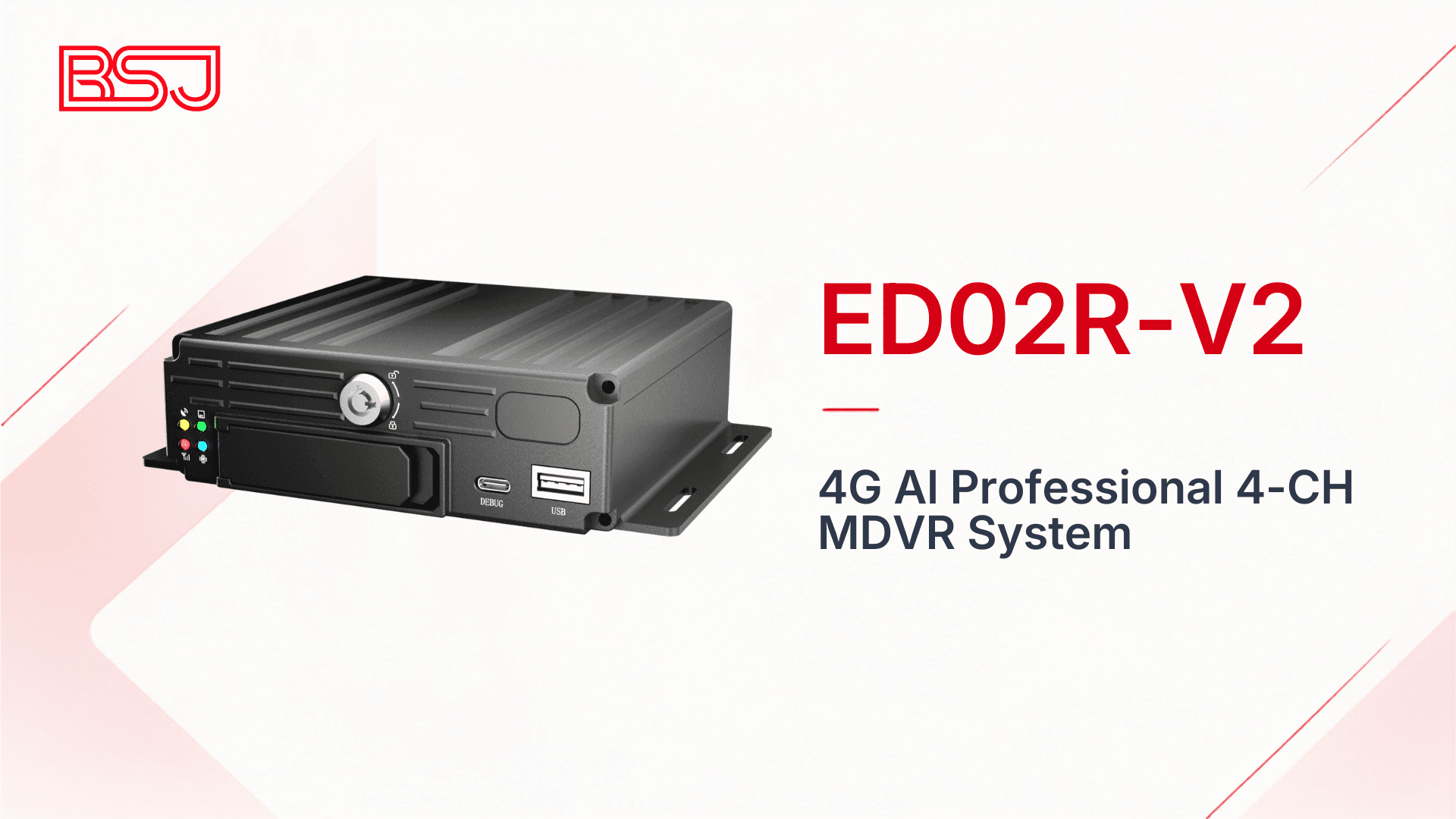
What's under the hood of the ED02R-V2?
The specification sheet for BSJ's 4-channel AI-powered MDVR lists the following:
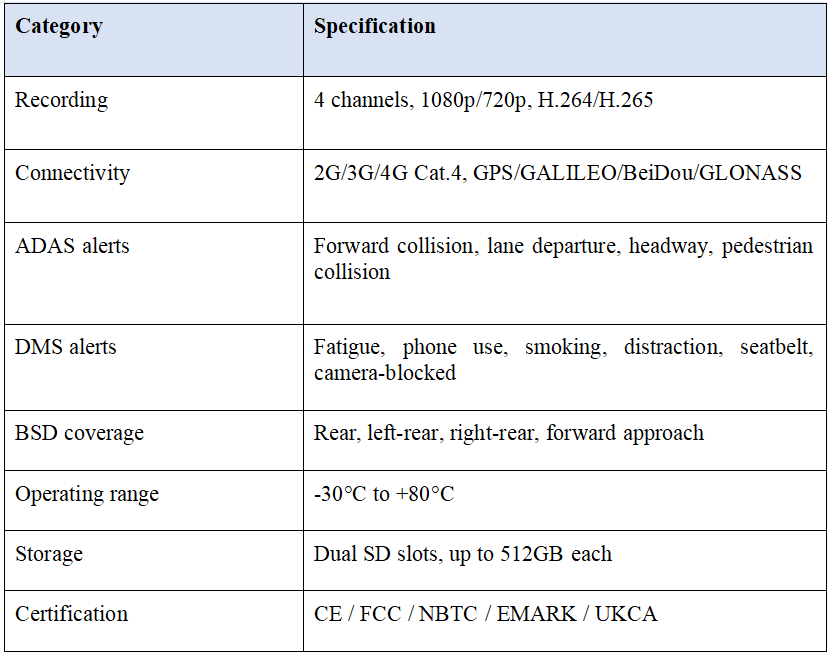
Fleets rarely run one device type in isolation. The ED02R-V2 connects to BSJ's Configurator and FOTA Web tools, so a manager can push firmware updates and adjust settings across trackers, dashcams, and MDVR units from a single screen — without visiting each vehicle.
A construction company in Saudi Arabia offers a clear illustration of what this looks like in practice. The firm ran an excavator fleet across demanding job sites, and its Operations Manager reported that pedestrians were often difficult for drivers to spot amid the large blind spots surrounding each vehicle, which kept accident risk elevated on every site.
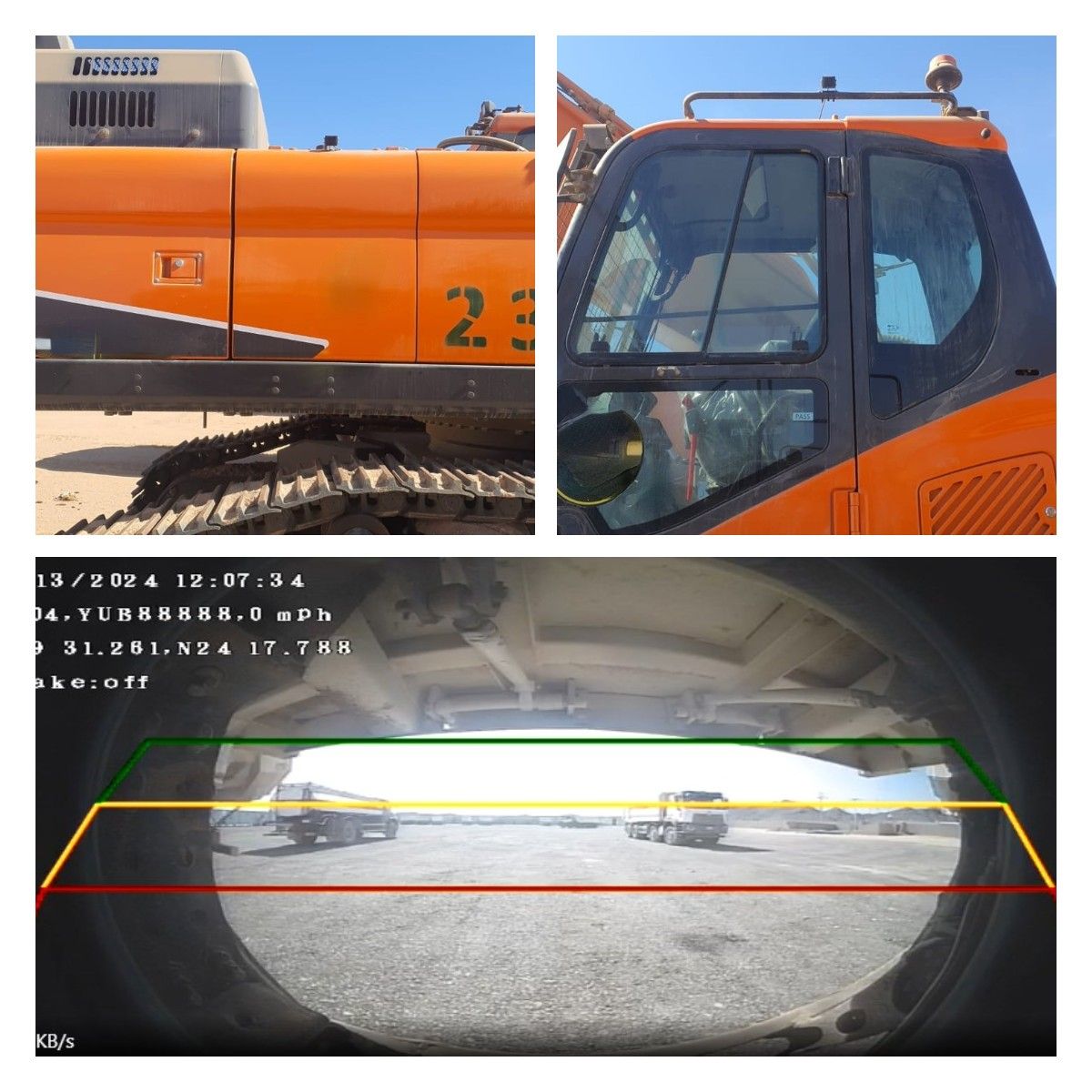
To address the issue, the company equipped 200 vehicles with BSJ's AI MDVR platform, leveraging the same core BSD technology featured in the ED02R-V2 lineup. Whenever a pedestrian or vehicle entered a blind zone, the system triggered audible and visual alerts, giving drivers the extra second they needed to react. Within a year, the company recorded a significant drop in blind-spot-related incidents alongside a 25% reduction in related operating costs, and it is now expanding the rollout to its entire fleet.
Choosing a mobile dvr for vehicles comes down to four checkpoints: channel coverage, onboard AI (ADAS, DMS, BSD), stable connectivity, and centralized management. Skipping any one of these leaves a fleet reacting to accidents instead of preventing them.
BSJ's full AI-powered MDVR lineup applies this same framework across its product range, giving fleet owners, distributors, and system integrators a documented path from blind-spot risk to measurable safety gains.

BSJ Technology (SZSE: 301608) is a global provider of AI Video Telematics and Connected Fleet IoT solutions. Since 2009, BSJ has developed AI Dashcams, MDVR systems, and GPS tracking solutions for commercial fleets worldwide.