Choose your operating system to start
For trucks and vans, a 3-channel dash cam combines several synchronized viewpoints with location and event information. Three channels are most useful when each one has a defined operational purpose, such as the forward road, driver or cabin, and a side, rear, cargo-door, or blind-zone view. Before installation, the fleet should decide which incidents each camera needs to explain so technicians can choose appropriate mounting positions.
The DR03 combines three-channel HD recording, H.264 encoding, a Linux platform, a 1.0 TOPS AI NPU, 4G LTE CAT.4, multi-constellation GNSS, remote configuration, FOTA, and a 9-90V input range. These specifications create a broad commercial-vehicle use case, but the final configuration still needs to be validated against vehicle geometry, route conditions, network coverage, and the fleet's safety policy.
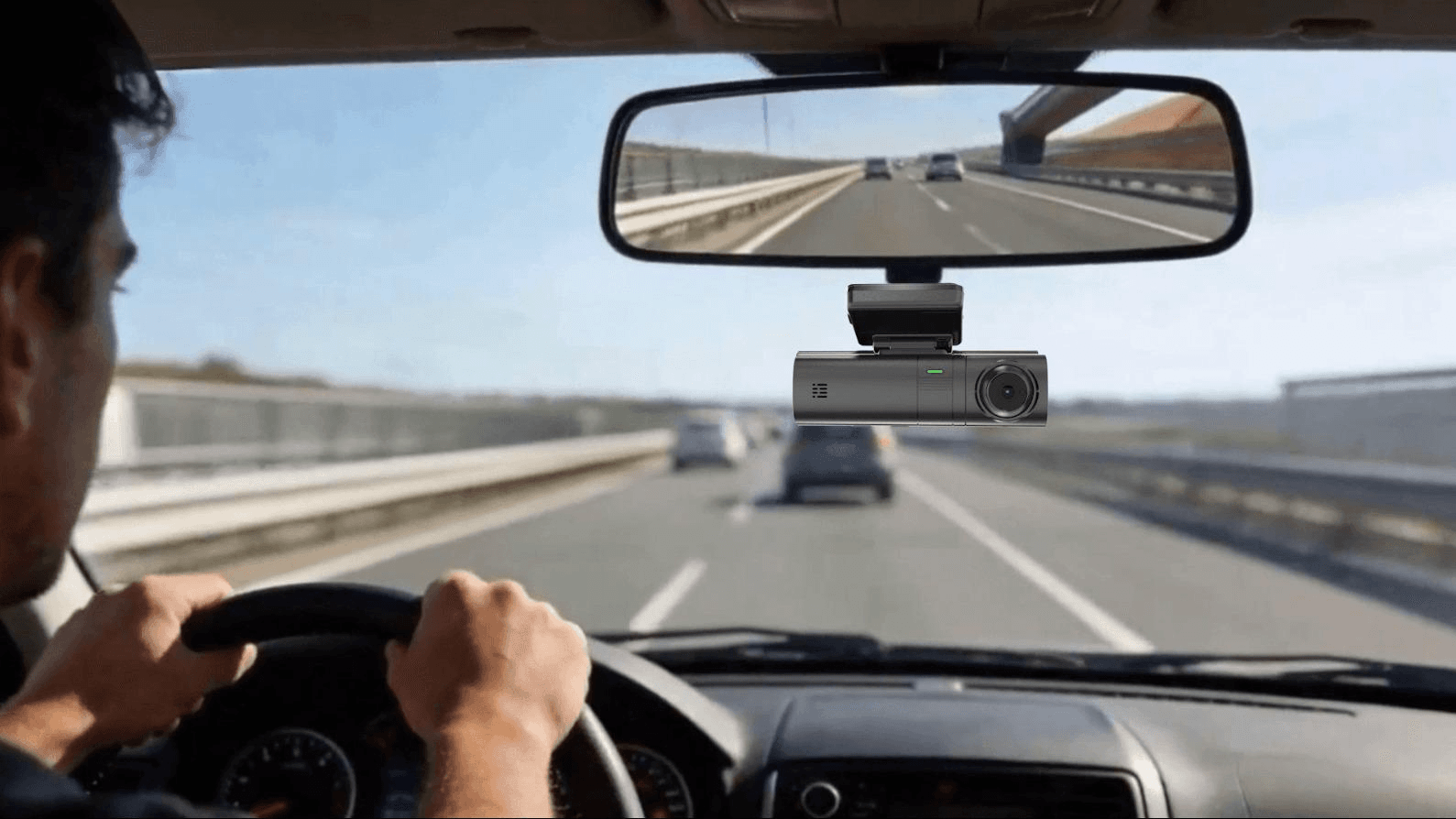
The forward camera should capture enough road context for collision or driving-event review without being obstructed by the windscreen, mirrors, or other equipment. The cabin view needs a mounting angle appropriate for driver monitoring, while the third channel should address the fleet's specific exposure. Delivery vans may prioritize cargo access, whereas trucks may benefit more from side or rear coverage. Field of view is as important as the number of channels.
A poorly aimed camera can leave the critical area outside the frame even when the recorder is working correctly. Installation standards should therefore include reference images or acceptance snapshots for each vehicle type, giving technicians an objective way to confirm coverage before the vehicle returns to service.
For fleets comparing layouts, a 3-channel dash cam should be judged by whether each view answers a defined operational question without obstructing the driver or complicating service access. A dashcam with ADAS can add real-time safety functions to this coverage. For driver and road alerts, our DR03 supports ADAS for collision risk, lane departure, and unsafe following distance, together with DMS for fatigue and driver distraction.
Operators should define which alerts are enabled, when in-cab warnings are appropriate, and how video is reviewed before any coaching decision or escalation. Night operation, vibration, rain, windscreen contamination, and changing light should be included in the pilot.
Fleet buyers need footage that remains interpretable under the conditions their trucks and vans actually experience. A lab demonstration may show resolution, but route testing reveals whether mounting, exposure, and camera placement produce useful evidence during normal service.
GNSS connects visual evidence with the trip timeline. Our DR03 supports GPS, Galileo, BeiDou, and GLONASS positioning, allowing location to be associated with video and alerts. This context helps reviewers determine whether an event occurred at a depot, customer site, city street, or high-speed route and can make coaching or incident classification more accurate.
With our connected camera hardware at BSJ Technology, we use 4G LTE CAT.4 to support remote video telematics and event transmission. For connected use, the fleet should decide which events require immediate upload, which clips can remain local, and how live access is controlled. Those rules protect bandwidth while still giving the control room access to information that may change an operational response.
AI event quality should be verified against reviewed footage and fleet feedback. During commissioning, compare alerts with the associated footage, track false positives, review driver feedback, and adjust parameters according to vehicle type and route conditions. A three-channel design can provide richer context, but only a consistent review process turns that information into useful safety management. Time synchronization across all channels is essential.
If road, cabin, external video, location, and alarms do not share a common timeline, investigators may spend unnecessary effort reconstructing the sequence. The commissioning checklist should confirm timestamps, channel labels, GNSS status, storage, and event retrieval before acceptance.
Our DR03's 9-90V input range broadens installation possibilities, but electrical design still needs vehicle-specific validation. Fuse protection, ignition behavior, cable routing, antenna placement, and sleep or shutdown strategy should be documented for trucks and vans so the camera does not create avoidable power or service issues. After deployment, remote configuration and FOTA can reduce workshop visits. Buyers should test how device settings, AI parameters, health status, and firmware versions are managed across different depots.
Change records and approved configuration profiles help support teams know exactly which software and settings are running when a field problem is reported. During lifecycle management, a dashcam with ADAS needs its AI settings tied to the approved vehicle and camera configuration so later changes remain traceable. Open integration matters when a distributor or fleet operator already has an established platform.
Event data, GNSS, device status, and video references should connect through documented interfaces rather than forcing users to switch between disconnected systems. Integration validation should include the intended third-party environment so problems are found before a large hardware order is placed. This check is particularly important when several customers share a common integrator platform but require separate permissions and reporting.
Three synchronized views become useful when they are tied to one incident and one vehicle record. In our three-channel camera work at BSJ Technology, we connect road, cabin, and external video with GNSS, AI events, 4G communication, remote configuration, and a repeatable installation standard. A dashcam with ADAS also needs calibrated alert settings that remain traceable to the approved vehicle and camera layout.
We use field pilots to check lighting, vibration, power, network coverage, evidence retrieval, and third-party integration before scale. That process helps truck and van fleets decide whether the three-channel configuration actually closes their identified visibility gaps instead of adding cameras that increase storage and maintenance without improving the safety workflow.

BSJ Technology (SZSE: 301608) is a global provider of AI Video Telematics and Connected Fleet IoT solutions. Since 2009, BSJ has developed AI Dashcams, MDVR systems, and GPS tracking solutions for commercial fleets worldwide.